Editor's note: Save 30% on TrueFit when you subscribe today!
You mix up a protein shake after your workout, and within an hour, your stomach rebels. Bloating kicks in, digestion slows, and you’re left wondering if hitting your protein goals is worth the discomfort.
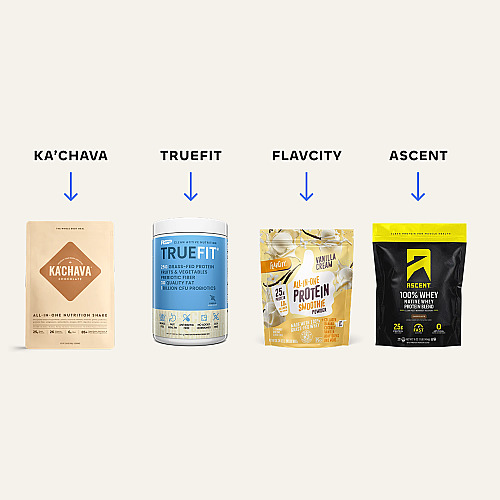
Digestive issues are one of the most common complaints among protein powder users. Most powders deliver protein, but they fall short of providing what your gut needs to process it effectively. So we compared four popular options to determine which is the best protein powder for gut health.
Understanding the Gut Health Gap in Protein Powders
When protein powders lack digestive support, the result is often bloating, gas, and discomfort that makes users quit their supplement routine entirely.
The difference between protein powders that cause problems and those that prevent them comes down to four key factors:
Probiotic strains that support protein breakdown and absorption
Prebiotic fiber that feeds beneficial gut bacteria and may serve as a natural GLP-1 supplement
Protein source quality and digestibility
Sweetener type and its impact on the gut microbiome
We evaluated four protein powders, TrueFit Protein, Ka’Chava, FlavCity Protein Smoothie, and Ascent Whey Protein, across these criteria to determine which formulas actually prioritize digestive health.
1. Probiotic and Prebiotic Content

TrueFit
Studies from UAB demonstrate that probiotics (good gut bacteria) help digest protein by producing enzymes that break it down into smaller, more absorbable components.* Prebiotic fiber feeds these beneficial bacteria, creating an environment in which they can thrive.*
TrueFit Protein includes 1 billion CFU of Bacillus coagulans probiotics, plus 4g of prebiotic fiber per serving. Bacillus coagulans is a spore-forming probiotic known for surviving stomach acid and reaching the intestines, where it can support digestion.*
Ka’Chava includes Lactobacillus rhamnosus and Lactobacillus acidophilus strains in its fiber and probiotics blend, along with prebiotic inulin and digestive enzymes, including amylase, cellulase, protease, lactase, and lipase. The label lists the probiotic blend by weight in milligrams rather than CFU count, making direct comparison challenging.
FlavCity Protein Smoothie takes a different approach with organic reishi and cordyceps mushrooms for cognitive and immune support. The formula contains no probiotics or prebiotic fiber.
Ascent Whey Protein uses a minimalist formulation with no added probiotics or prebiotic fiber.
2. Protein Source and Digestibility

TrueFit
Not all protein sources affect digestion equally. The type of protein and how it’s processed determines both absorption efficiency and potential digestive distress.
Research published in the British Journal of Nutrition found that whey protein isolate and whey protein concentrate showed significantly greater amino acid absorption rates compared to plant proteins, including pea protein concentrate and soy protein isolate.* This means the body can more readily absorb and utilize the amino acids from whey sources.*
TrueFit uses grass-fed whey protein concentrate delivering 25g per serving. Whey concentrate retains naturally occurring nutrients along with small amounts of fat and lactose. The protein comes from cows never treated with added antibiotics or hormones.

Ka’Chava uses a plant protein blend combining yellow pea, brown rice, coconut milk, and oat milk to deliver 25g of complete plant protein per two-scoop serving, providing all essential amino acids while avoiding animal products.
FlavCity combines grass-fed whey concentrate with 10g of bovine collagen peptides for 25g total protein. Collagen peptides provide amino acids that support joint, skin, and connective tissue health beyond standard muscle protein synthesis.*
Ascent delivers 25g from their native whey protein isolate blend. Native whey is extracted directly from milk rather than being a byproduct of cheese production. The isolate form then goes through additional filtration to remove most fat and lactose, resulting in a highly concentrated protein source with minimal carbohydrates, making it quickly digestible.
3. Sweeteners and Gut Microbiome Impact

TrueFit
The type of sweetener used in protein powders can influence the composition of the gut microbiota. Research published in Frontiers in Microbiology found that synthetic sweeteners like sucralose and saccharin significantly reduced microbial diversity and enriched pathogenic bacterial families in gut microbiome studies, while non-synthetic sweeteners were less disruptive.* All four of the protein powders we reviewed use natural plant-based sweeteners, which appear to have minimal to neutral or even beneficial effects on the microbiome.*
TrueFit uses stevia leaf extract (rebaudioside A). A 2024 study in Nutrients found that 12 weeks of regular stevia consumption did not cause significant changes in gut microbiota composition or diversity in healthy adults.* Research published in the journal Diseases indicates that stevia has shown potential as a prebiotic, supporting the growth of beneficial bacteria such as Lactobacillus and Bifidobacterium, though it does not consistently alter the microbiome across all studies.*

Ascent
Ka’Chava is sweetened with monk fruit extract (lo han guo), marketed as stevia-free. The primary sweet compound in monk fruit is mogroside V, which passes through the digestive tract largely intact until reaching the colon. Research in the Journal of Agricultural and Food Chemistry found that mogroside V may have prebiotic potential, promoting the growth of beneficial bacteria, including Bifidobacterium and Lactobacillus, while increasing short-chain fatty acid production.*
FlavCity uses a combination of organic stevia leaf extract and organic monk fruit extract. This dual-sweetener approach combines the minimal gut impact of stevia with the potential prebiotic benefits of monk fruit, though the specific ratio is not disclosed.
Ascent, like TrueFit, uses stevia leaf extract as its primary sweetener.
4. Calorie Efficiency and Nutritional Density

TrueFit
More and more people these days, outside of weightlifters, are taking protein supplements. As research continues to highlight the benefits of high-protein diets for weight loss, hormone regulation, and overall wellness, more people are adding protein supplements to their routines beyond traditional fitness goals.
The overall nutritional package determines whether you’re fueling your body or just filling a protein quota. A protein powder that offers a bit more than bulk is appealing to those looking to increase their overall wellness without a cabinet full of supplements.
TrueFit provides 150 calories per serving with 25g protein, 9g carbohydrates (including 4g fiber), and 3g fat. Each serving includes whole-food superfoods such as broccoli, spinach, raspberry, and strawberry powders.

Ka’Chava provides 240 calories per two-scoop serving with 25g protein, 20g carbohydrates (including 6g fiber), and 7g fat. The formula includes 85+ superfoods, adaptogens, greens, functional mushrooms, and a comprehensive vitamin and mineral blend.
FlavCity provides 160–180 calories per serving with 25g protein and 10g collagen. The formula includes organic banana powder and coconut milk powder, designed to mix with just water.
Ascent provides 120 calories per serving with 25g protein, 1g carbohydrate, and less than 1g fat—a lean profile for those prioritizing pure protein while managing total daily calories.
5. Price Per Serving
When comparing protein powders, price per serving reveals value better than container cost.
TrueFit Protein costs $2.50 per serving at regular price ($49.99 for 20 servings).
Ka’Chava costs $4.66 per serving at regular price ($69.90 for 15 servings).
FlavCity costs $2.99 per serving at regular price ($59.80 for 20 servings).
Ascent costs $0.85 per serving at regular price ($22.97 for 27 servings).
Note: Prices shown reflect regular retail pricing and are subject to change. Many brands offer subscription discounts that can significantly reduce per-serving costs.
Comparison Table
Product | Protein Source | Probiotics | Prebiotic Fiber | Sweetener | Calories | Price per Serving |
|---|---|---|---|---|---|---|
TrueFit Protein | Grass-fed whey concentrate, 25g | 1 billion CFU Bacillus coagulans | 4g | Stevia (Reb A) | 150 | $2.50 |
Plant blend (pea, rice, coconut, oat), 25g | Lactobacillus strains (amount undisclosed) | 6g | Monk fruit (stevia-free) | 240 | $4.66 | |
Grass-fed whey concentrate + 10g collagen | None | None | Stevia + Monk fruit | 160–180 | $2.99 | |
Native whey isolate, 25g | None | None | Stevia | 120 | $0.85 |
Gut Health and Compliance
The most effective protein powder isn’t the one with the highest protein content or the lowest price. It’s the one you’ll actually use consistently without digestive distress.
When protein powders include digestive support through probiotics and prebiotic fiber, they address a major reason users abandon their supplements: digestive discomfort. The combination of these gut health ingredients can help support comfortable protein digestion.*
TrueFit Protein is the only grass-fed whey option with complete digestive support at a mid-range price point. The combination of quality protein, clinically relevant probiotic dosing, substantial prebiotic fiber, and whole-food nutrition makes it the standout choice for users prioritizing gut health.
The Subscribe & Save option offers 25% off your first order and 15% off every order after that, plus free shipping, bringing the $2.50 per serving down to as low as $2.13 for subscribers.
For those who prefer plant-based protein, Ka’Chava delivers comprehensive nutrition, though at a premium price. FlavCity and Ascent offer quality protein sources but require users to separately address digestive support if needed.
Every serving of TrueFit delivers not just protein but the digestive foundation your body needs to actually use it. Plus, with RSP Nutrition’s full refund guarantee, there’s no risk in trying a protein powder that finally works with your digestive system instead of against it.
Ready to experience protein powder without the bloat?
*These statements have not been evaluated by the Food and Drug Administration. This product is not intended to diagnose, treat, cure, or prevent any disease. The information provided is for educational purposes only and is not intended as a substitute for advice from your physician or other health care professional. You should consult with a healthcare professional before starting any diet, exercise, or supplementation program, before taking any medication, or if you have or suspect you might have a health problem. Individual results may vary.







Leave a Comment
Your email address will not be published. Required fields are marked *