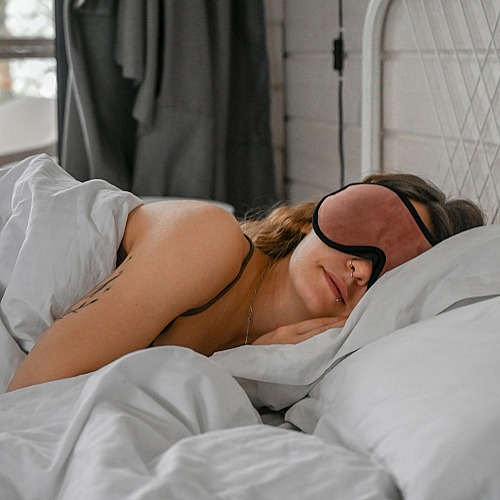
I’ve sat up in bed at 3 AM enough times to have memorized the ceiling. My husband is asleep. The house is completely silent, which somehow makes my thoughts louder. As a registered nurse in the middle of perimenopause, I know exactly what’s happening. Understanding the science has helped me stop catastrophizing it and start doing something about it.
If you are waking at 3 AM regularly, you’re certainly not alone. Once I examined the specific habits making things worse, things started to shift.
The Biology Behind the 3 AM Wake-Up
Your body runs on a 24-hour circadian rhythm, and cortisol is part of the schedule. Published research confirms the brain’s circadian pacemaker drives a natural cortisol rise in the second half of the night, well before awakening. For most people, it’s gradual enough to sleep through. For women in perimenopause, three hormonal changes make that pre-dawn window far more vulnerable:
Progesterone has a direct sedative effect. It binds to GABA receptors in the brain. As progesterone drops, you lose one of your body’s built-in sleep aids.
Estrogen regulates your hypothalamic thermostat. When estrogen fluctuates, your brain can misread body temperature and trigger hot flashes and night sweats during those same early morning hours.
The stress-response system loses a key buffer. Estrogen helps regulate cortisol output. Without it, your cortisol response grows quicker and more reactive, amplifying the natural pre-dawn rise.
A 2025 review in the Journal of Clinical Medicine confirmed sleep disturbances during perimenopause are common, multifactorial, and tied to hormonal fluctuations, vasomotor symptoms, and shifts in sleep architecture.
Habits That Make It Worse
1. Alcohol
Alcohol is sedating in the first half of the night, which is why a nightcap feels like it works. The second half tells a different story. As your body metabolizes it, usually three to four hours later, sleep grows lighter, and REM sleep collapses. A 2024 meta-analysis in Sleep Medicine Reviews found that even two standard drinks disrupted REM sleep, with the effect worsening as the dose increased. Alcohol doesn’t disrupt your ability to fall asleep. It disrupts your ability to stay there.
What to Do
Finish your last drink at least three to four hours before sleep. Timing matters as much as quantity.
Aim for one drink or fewer on nights when sleep maintenance is a priority.
Track whether 3 AM waking correlates with nights you drink. For many women, the pattern becomes clear within a week.
2. Stress and Anxious Thoughts
Chronic stress keeps your HPA axis (the body’s stress and cortisol system) chronically elevated, so by the time the pre-dawn rise begins, cortisol is already running high. Perimenopause compounds this because the hormonal feedback that brakes cortisol is already weakened. Worry doesn’t cause the awakening. The awakening creates the opening for it.
What to Do
CBT-I (cognitive behavioral therapy for insomnia) draws from the same framework used to treat anxiety disorders and applies it to sleep, targeting clock-watching, anxious wakefulness, and the dread that builds around bedtime. A 2025 meta-analysis in Women’s Health Nursing found CBT-I significantly improved sleep in menopausal women across 11 randomized trials. Ask your provider for a referral; digital programs are also available.
3. A Bedroom That’s Too Warm
Core body temperature drops as you move into deeper sleep, and a warm bedroom, especially one that compounds night sweats, prevents your body from reaching that cooler threshold.
What to Do
Keep the bedroom cool. A 2023 study of over 11,000 nights confirmed ambient temperature significantly affects sleep efficiency. Most clinical guidance recommends 60–68°F (15–20°C); for women managing night sweats, erring cooler reduces both symptom frequency and overnight waking.
Switch to breathable cotton, bamboo, or linen bedding, which wick moisture better than synthetics.
Keep a fan and light blanket within reach for quick adjustments when symptoms flare overnight.

4. Caffeine After Noon
A 2023 meta-analysis in Sleep Medicine Reviews found that caffeine reduced total sleep time, increased light sleep, and decreased deep sleep. Rather than affecting only how long it takes to fall asleep, caffeine fragments the second half of the night and stimulates cortisol secretion, amplifying the pre-dawn rise.
What to Do
Move your cutoff to noon or early afternoon.
Taper gradually to avoid withdrawal headaches.
Watch for hidden sources, including tea, chocolate, sodas, and some pain relievers.
5. An Inconsistent Sleep Schedule
Irregular wake times weaken the sleep pressure that builds throughout the day. A 2023 NSF consensus statement in Sleep Health linked consistent sleep-wake timing to improved alertness, cardiovascular health, and mental health.
What to Do
Set a consistent wake time and hold it, including days off. This is the most important schedule variable.
Resist sleeping in after a bad night. It feels counterintuitive but strengthens sleep pressure faster.
If catching up, limit extra sleep to one to two hours on non-work days.
6. Inadequate Diet
A diet low in key nutrients compounds hormonal disruption. Magnesium plays a role in modulating GABA receptors, the same system progesterone activates for sleep. A 2024 systematic review in Cureus found magnesium supplementation may benefit mild insomnia in women deficient at baseline. Insufficient protein also worsens fatigue and blood sugar instability as estrogen declines.
What to Do
Follow a Mediterranean-style diet. A 2025 review in Menopause International found it has the strongest evidence for improving sleep quality in menopausal women, with higher protein relative to refined carbohydrates associated with longer sleep duration.
Include magnesium-rich foods: leafy greens, pumpkin seeds, almonds, and black beans. Magnesium glycinate or bisglycinate are well-tolerated supplemental forms for women deficient at baseline. Discuss with your provider before starting.
7. Blood Sugar Spikes and Insulin Resistance
Estrogen supports insulin sensitivity, and as it declines during perimenopause, blood sugar becomes harder to regulate. The ZOE PREDICT study found postmenopausal women show significantly worse postprandial glucose responses than premenopausal women of similar age. When blood sugar dips, the body releases cortisol as a counter-regulatory response, compounding the same pre-dawn rise. A 2023 trial in Obesity found just a few nights of sleep restriction reduced insulin sensitivity by 20% in postmenopausal women.
What to Do
Reduce refined carbohydrates and added sugars, especially at dinner.
Pair carbohydrates with protein, fat, or fiber to slow glucose absorption.
Avoid large, high-glycemic meals in the two to three hours before bed.
Take a 10–15 minute walk after meals. A 2023 meta-analysis in Sports Medicine found post-meal walking significantly reduces glucose spikes, with the greatest benefit when movement starts immediately after eating.
8. Not Moving Enough
A 2023 meta-analysis in Frontiers in Medicine of 17 randomized controlled trials found that exercise significantly reduces insomnia severity in menopausal women. Regular movement also reduces vasomotor symptoms and supports insulin sensitivity.
What to Do
Combine aerobic exercise with resistance training. A 2023 trial in BMC Women’s Health confirmed resistance training counteracts menopause-related muscle loss and weakness in women aged 40–60.
Finish strenuous workouts at least four hours before bedtime. A Nature Communications study of over four million nights found strenuous evening exercise within that window delayed sleep onset and shortened sleep duration.
9. Ignoring or Normalizing Symptoms
Many women chalk sleep disruption up to stress or aging and push through. It’s a treatable medical symptom, not an inevitable one.
What to Do
Bring sleep disruption up explicitly with your provider.
Ask specifically about hormone therapy, which has evidence for sleep-related symptoms during the perimenopausal transition. The 2025 Journal of Clinical Medicine review outlines pharmacological and non-pharmacological options.
Ask about low-dose melatonin and prescription options designed for sleep maintenance.
If your current provider dismisses the concern, seek a second opinion.
Chronic poor sleep affects cognition, mood, immune function, and cardiovascular health over time. It warrants more than a shrug.
Not Just Tired
For women in perimenopause, waking at 3 AM is a predictable result of compounding physiological changes. Knowing what drives it and acting on the evidence has made a real difference for me. I’m sleeping better. You can, too.
This article is for informational purposes only and does not constitute medical advice. Sleep disruption during perimenopause is a medical symptom and may benefit from evaluation and individualized treatment by a licensed healthcare provider. Individual experiences vary. Consult your doctor or a board-certified sleep specialist to determine which approaches are appropriate for your situation.







Leave a Comment
Your email address will not be published. Required fields are marked *