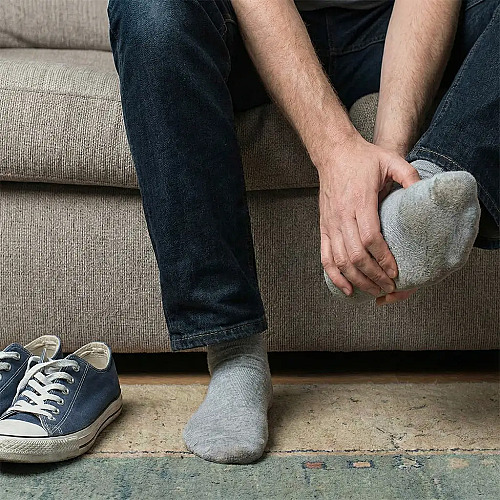
About 81% of Americans say they have foot pain. That’s a lot of people looking for comfortable shoes. When you’re shopping, the math seems easy: a $40 pair from a department store or a $120 pair of therapeutic shoes. The cheap ones win, right?
Not so fast. That simple math leaves out some big costs. You have to think about how often you’ll replace those cheap shoes. You also need to consider how your feet will feel over time and what happens to the rest of your body when your shoes stop working.
The Price Your Body Pays
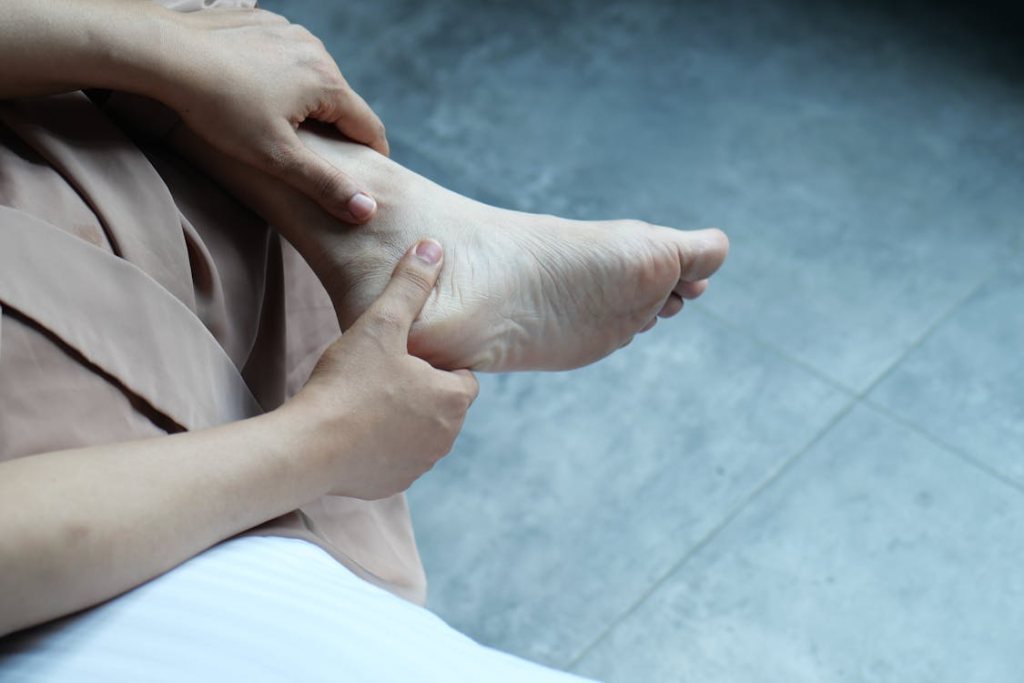
Cheap comfort shoes often start losing their support within months. The cushioning compresses. The arch flattens. The soles wear thin. And when that structure gives out, your feet absorb more impact with every step.
The effects don’t stop at your feet. That extra pressure can ripple upward through your ankles, knees, hips, and back. When a $40 pair gives out, you end up paying again for shoes that never delivered real support in the first place.
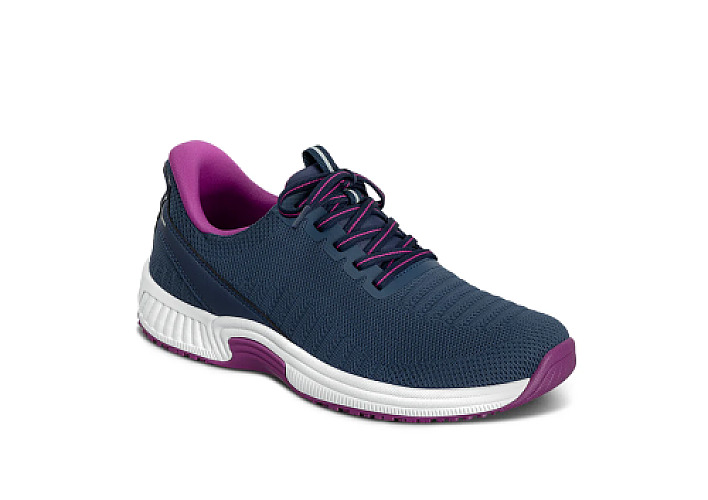
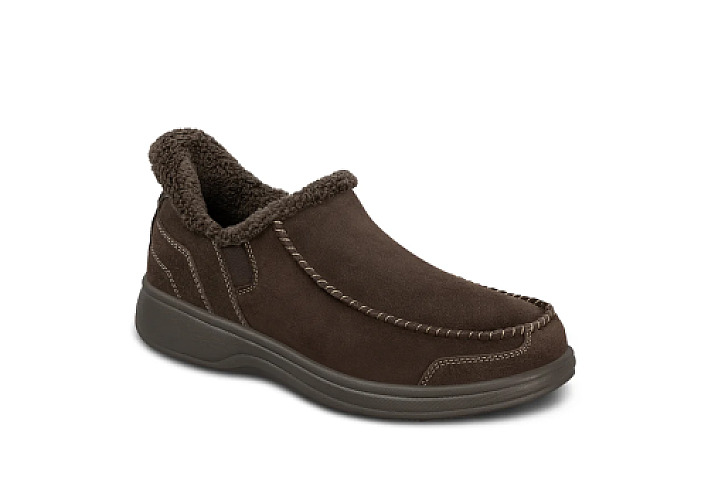
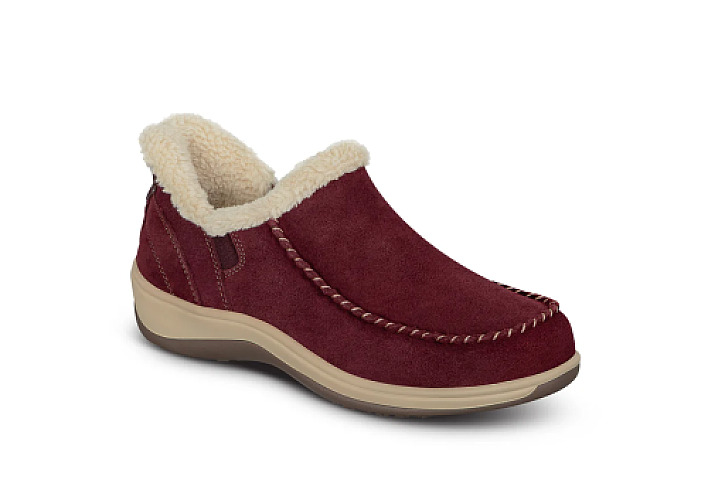
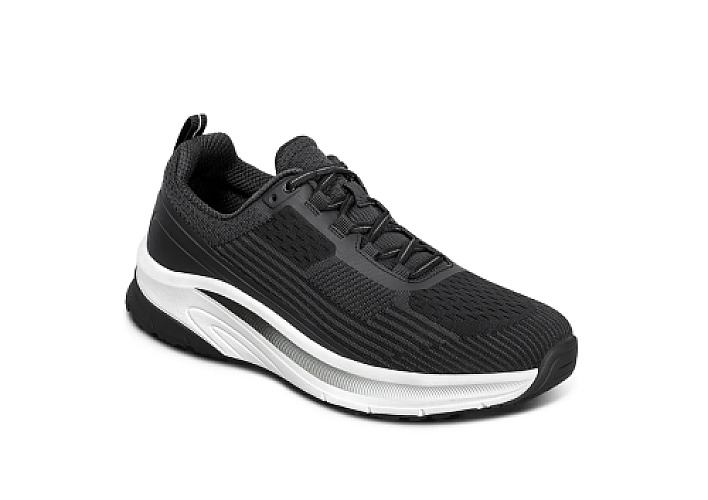
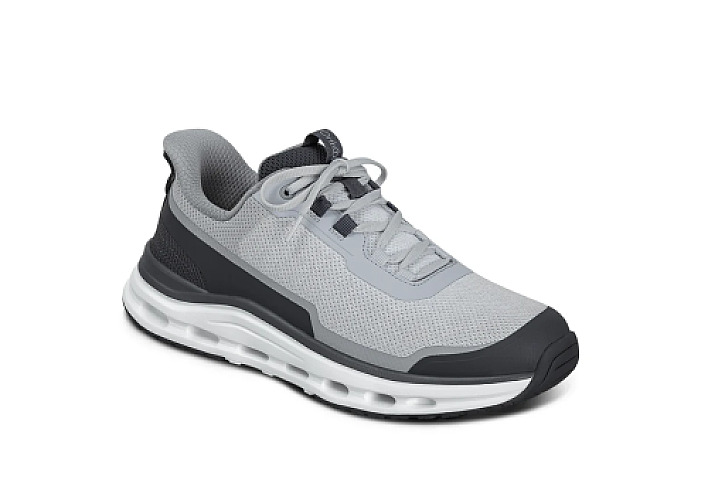
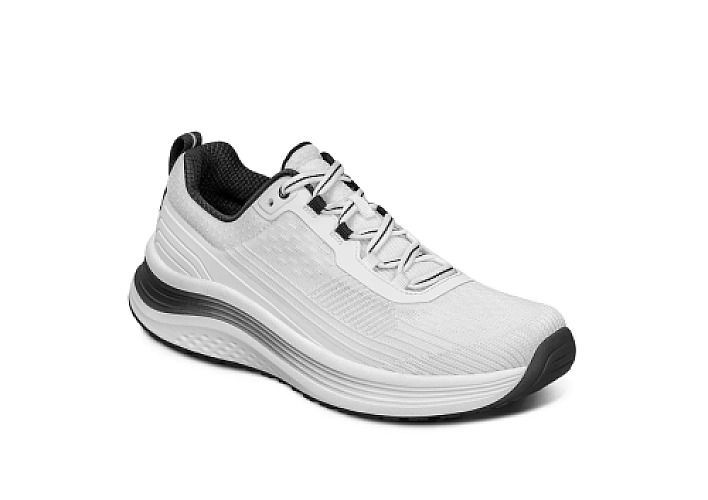
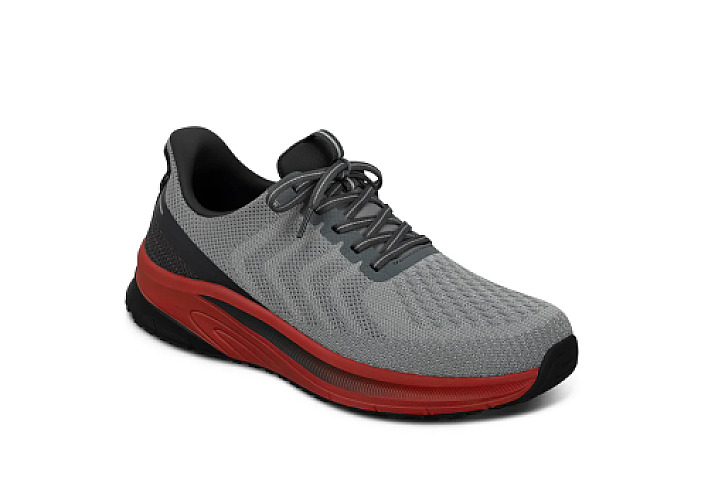
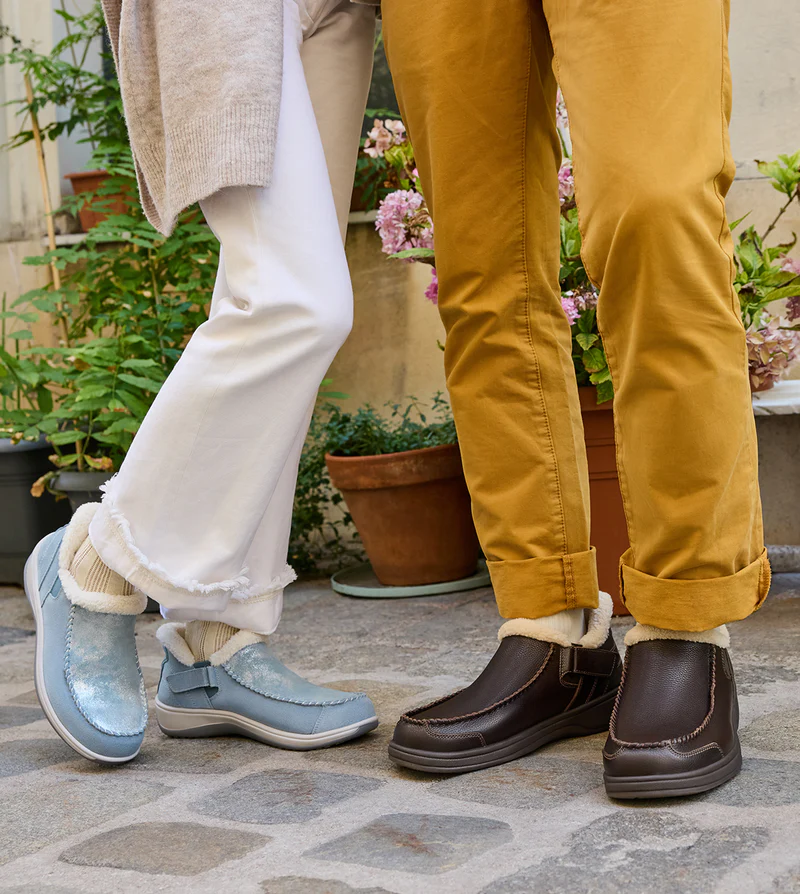
Quality therapeutic shoes from brands like Orthofeet are built differently. They’ve been engineering comfort footwear for over 40 years, with designs developed alongside podiatrists and biomechanical experts. A pair that costs $100 to $150 might actually cost less per wear than cycling through budget shoes that break down and need replacing more often.
What Americans Spend on Foot Pain
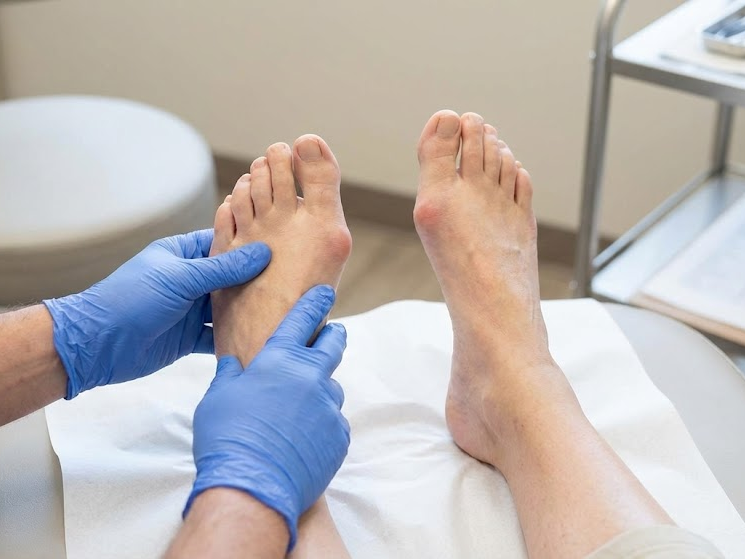
The American Podiatric Medical Association found that 77% of Americans have had foot pain at some point. Half say foot pain has stopped them from doing things they want to do. For people with ongoing foot pain, 83% say it limits their daily life.
The money adds up fast. The 2024 Foot Pain Trends Report found that 75% of adults with foot pain spend money every month on treatments. About 17% spend more than $250 per month on doctor visits, medicines, and special insoles.
The problems often spread beyond your feet. Research from National Geographic explains that ill-fitting shoes can shorten your steps. This makes your hips and lower back work harder. Over time, you might feel pain in other places, walk differently, and strain your joints. The 2024 Foot Pain Trends Report found that 33% of people with foot pain also have problems in their back, knees, or hips.
That’s why footwear designed with proper support matters. Orthofeet shoes feature anatomical insoles with contoured arch support, wide toe boxes that give feet room to move naturally, and layered cushioning that helps distribute pressure more evenly. For people already spending money each month trying to manage foot discomfort, investing in supportive footwear upfront can be a smarter use of that budget.
What Foot Discomfort Costs Your Workday
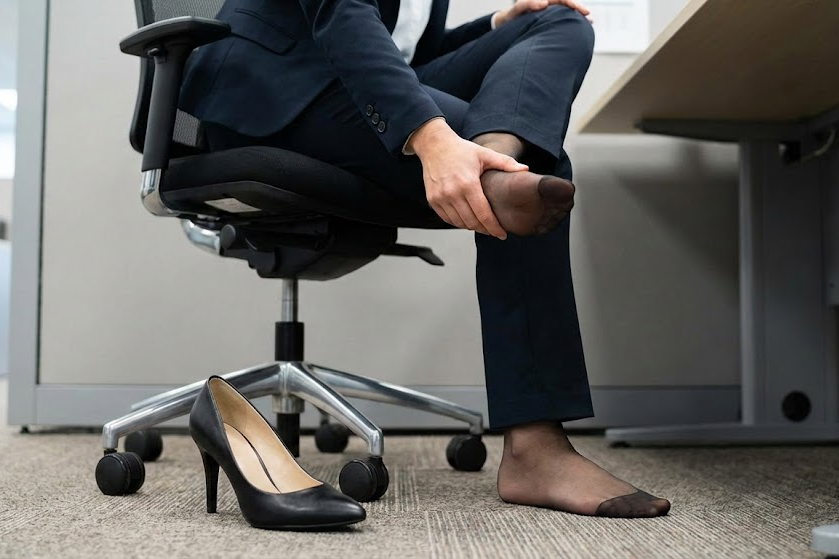
Pain can hurt your work life in a big way. Research in the Journal of Pain found that pain costs American workers between $299 and $335 billion each year in lost work. That’s more than the costs of heart disease, cancer, and diabetes.
Foot discomfort changes how you work. It affects how long you can stand and how far you can walk. It makes it hard to focus. When every step hurts, meetings feel endless. You put off tasks that require moving around. Plus, foot pain takes a toll beyond physical discomfort. The 2025 Foot Pain Trends Report found that 56% of individuals reported experiencing stress or anxiety related to their foot pain.
If you’re on your feet all day for work, whether in healthcare, retail, teaching, or a factory, what you wear matters. Orthofeet’s Ortho-Cushion™ System features an ergonomic sole with a mild rocker design that helps propel your foot forward, reducing the effort of each step. The anatomical arch support and weight distribution can make a difference when you’re standing on hard floors for hours.
The Quality of Life Equation

Beyond money, think about what foot discomfort costs you in everyday life. Research shows that people with foot pain wish they could do more. They want to walk more, exercise more, and spend more time doing things with family and friends.
Orthofeet’s shoes are made with comfort and support in mind. They’re designed for people dealing with more than 20 foot conditions. These include plantar fasciitis, neuropathy, diabetes-related foot issues, bunions, and arthritis. The Ortho-Cushion™ System helps reduce pressure on your joints from your heel to your toes.
What makes therapeutic shoes different from department shoes? It’s the careful engineering of each part. Orthofeet shoes have special insoles with arch support you can adjust. They have wide toe boxes that give room for swelling and different foot shapes. The stretchy uppers fit your feet without creating pressure points.
Trying Before You Truly Commit
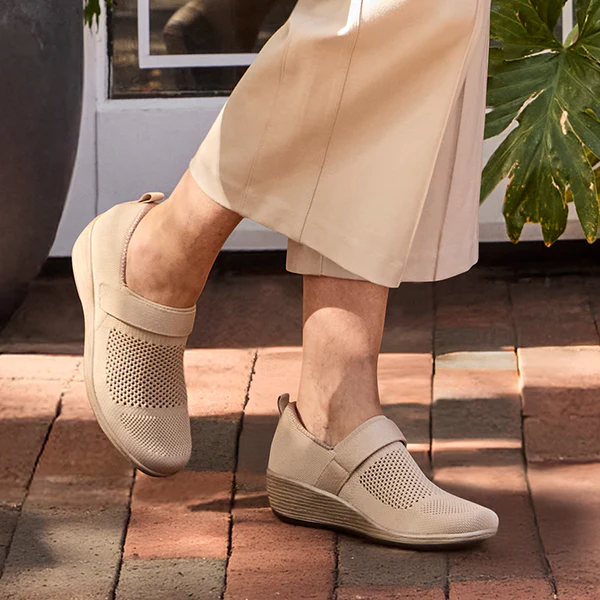
It makes sense to feel unsure about spending more on shoes. What if they don’t fit right? What if they don’t help?
Orthofeet has a solution: a 60-day wear test. You can wear the shoes in your daily life for up to two months. If you don’t like them, send them back for a full refund. The company also offers free shipping and free returns. This takes away the risk of trying better shoes.
That’s very different from buying at a department store. Most stores only let you return shoes that haven’t been worn. You never get to find out if the shoes really work before it’s too late to return them.
Running the Real Numbers
Let’s look at a five-year shoe budget for someone who wants comfortable, supportive shoes:
The cheap shoe plan: Buying budget shoes made with lower-quality materials means three or more pairs per year. At $40 each, that adds up to at least $600 over five years. Many people also buy extra insoles and cushioning products when their cheap shoes fall short, pushing the total even higher.
The quality shoe plan: Two pairs of Orthofeet’s shoes over five years at about $130 each equals $260. The built-in insoles and strong construction mean you don’t need to buy extra products or replace shoes as often.
When you look at it this way, the higher price tag makes more sense. Quality shoes give you comfort and support right away. You don’t need to buy a bunch of extra products to make up for what the shoes are missing.
Making the Smart Investment
The people who benefit most from therapeutic shoes often learned the hard way. They bought pair after pair of cheap comfort shoes. They tried insoles, creams, and stretches. Finally, they figured out that their shoes might be the problem.
With more than 250,000 five-star reviews, Orthofeet has built a strong reputation. The company helps people who thought foot discomfort was just part of their daily life. Orthofeet started in 1984. Engineers with backgrounds in medical and mechanical design created it. Since then, foot doctors have helped improve the designs. Every shoe is made to solve real comfort problems.
Good shoes are an investment in daily comfort and the ability to move freely. When you add up the true costs of cheap shoes, including replacements, extra products, and how bad your feet feel, the budget option often ends up being the most expensive choice.
Take the First Step Toward Better Comfort
Your feet carry you through every part of your day. They deserve support that lasts. Orthofeet makes it easy to find out if therapeutic shoes can work for you. With free shipping, free returns, and a 60-day wear test, there’s no risk in trying a pair for yourself.






Leave a Comment
Your email address will not be published. Required fields are marked *