
You’re standing in the cereal aisle, box in hand, poring over the ingredient list. This box has organic cane sugar instead of high-fructose corn syrup, whole grains instead of refined flour, and no artificial colors. You put it in your cart because you’ve done the work and you’re picky about what goes into your body.
But what about your underwear, the boxers touching your most sensitive zone for 16 to 24 hours a day?
You’ve probably never read that label. Most guys haven’t. We choose boxers based on price, fit, or maybe the brand name. Yet the same people who won’t touch a cereal box with “Red 40” on it are walking around in underwear manufactured with formaldehyde, toxic dyes that can break down into carcinogenic compounds, and petroleum-based fabrics hugging their package. I don’t know about you, but I’m feeling like my nether regions have been a bit neglected!
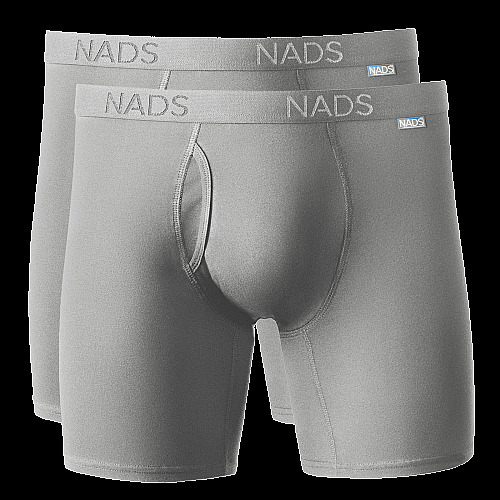
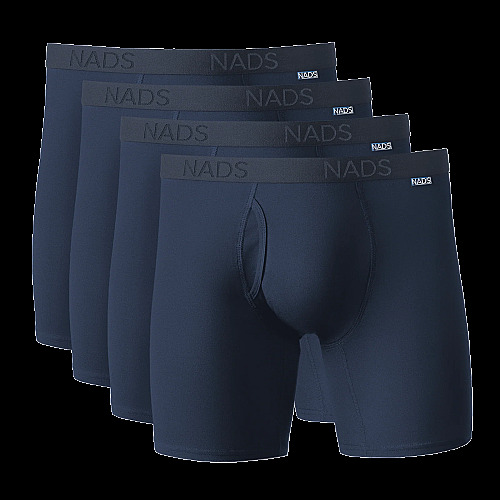
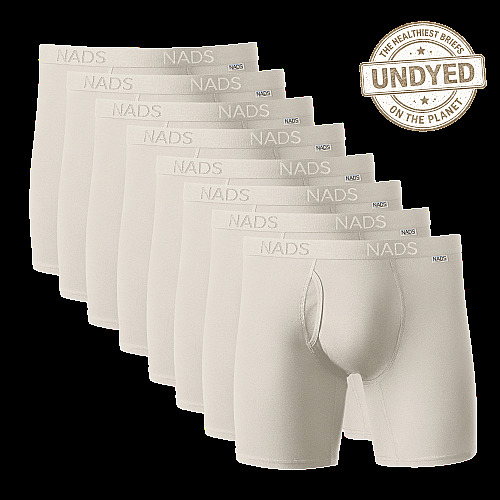
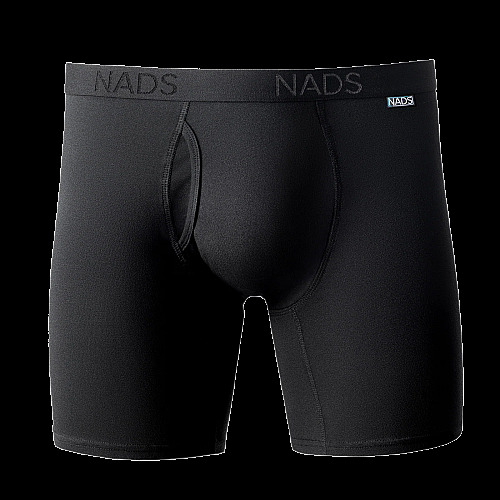
NADS: Certified Organic Underwear
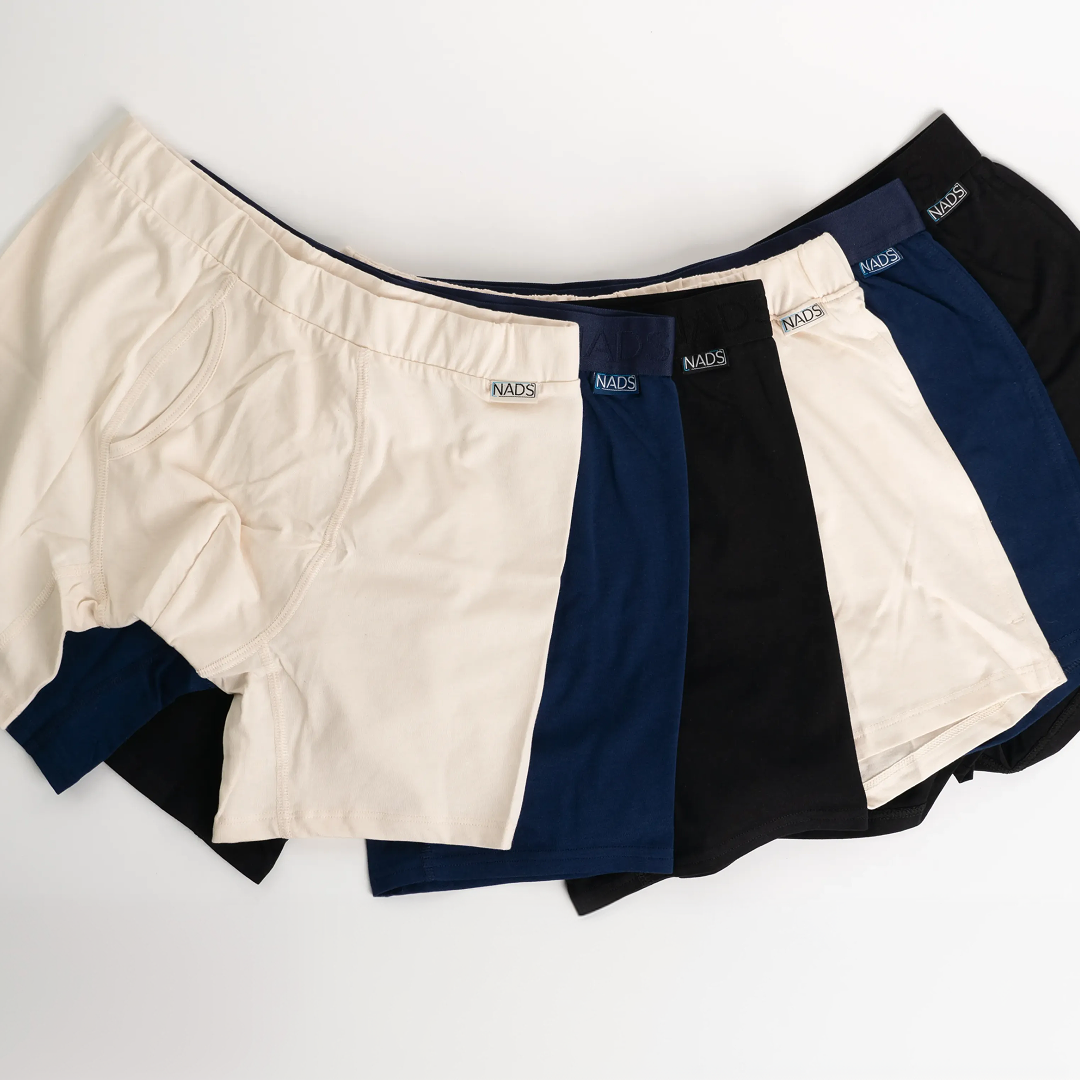
NADS was founded on a simple premise: If you read labels on your food, you should read them on your underwear. Co-founder Dan Baird discovered he had low testosterone despite living a clean lifestyle. His research revealed that conventional underwear contains chemicals that may interfere with hormone function. Unable to find truly non-toxic alternatives, he partnered with Steve Ducey to create the brand.
What sets NADS apart from conventional underwear:
95% GOTS-certified organic cotton (+ 5% elastane for stretch) grown without chemical pesticides or GMOs
OEKO-TEX® Standard 100-certified dyes tested against 100+ harmful substances, including formaldehyde, phthalates, BPA, and carcinogenic azo dyes
Made in Turkey within a 55-mile production radius for full supply chain transparency
Third-party tested at every production stage to verify chemical safety
These certifications function like nutrition labels. They’re verifiable testing protocols that ensure what’s touching your skin meets specific safety standards. You might not think any of that matters, but that’s because you haven’t researched what’s in your cheap underwear. Let’s meet the invaders.
Toxins in Conventional Underwear
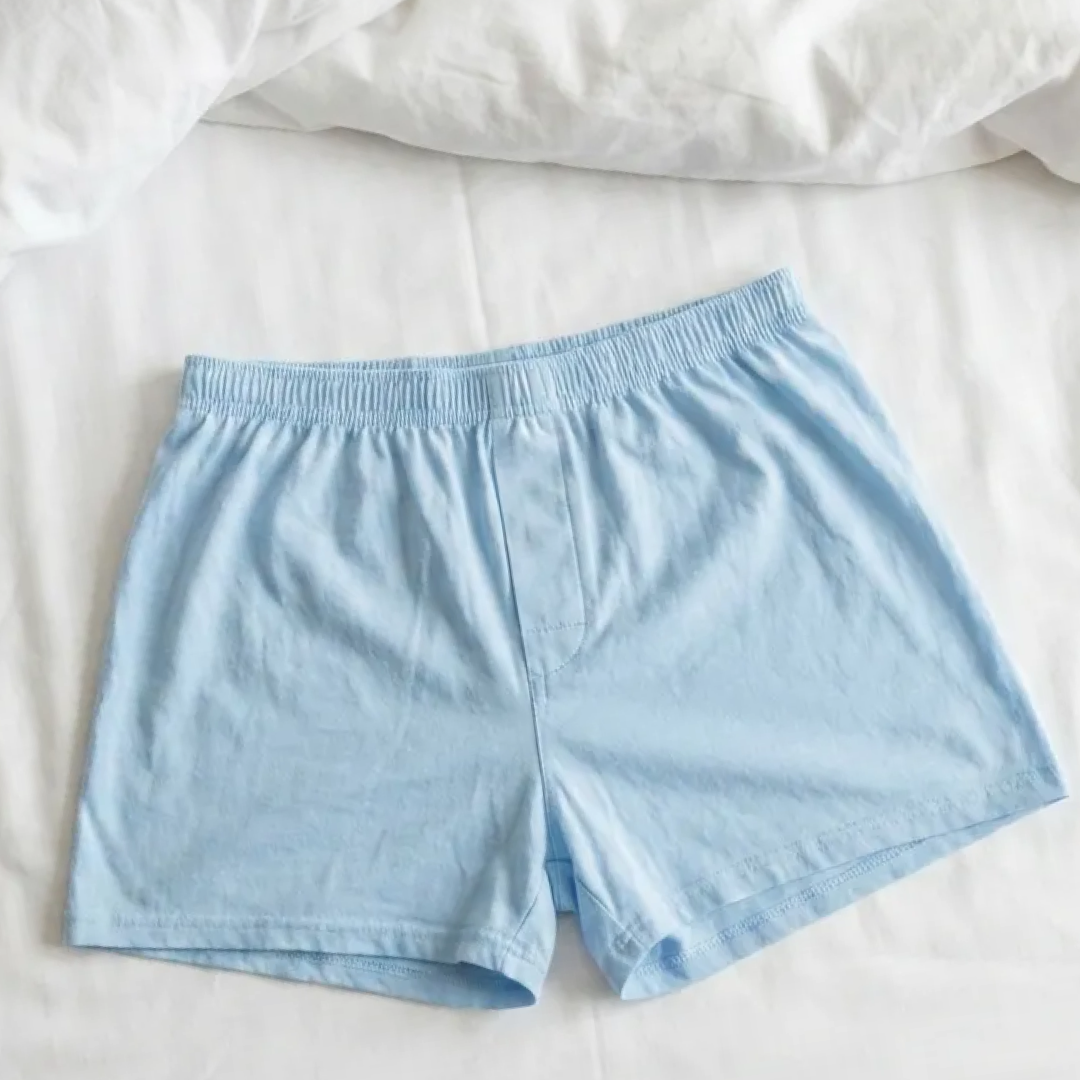
Walk down any underwear aisle, and you’ll see the same polyester-cotton mixes, moisture-wicking nylon, and performance spandex engineered in labs.
Standard underwear manufacturing uses
Formaldehyde used in wrinkle-resistant and “permanent press” finishes
Azo dyes that can break down into carcinogenic compounds
BPA and phthalates added to conventional fabrics for moisture-wicking properties
Microplastic fibers that shed with every wear and wash
The Formaldehyde Question

Formaldehyde is used in textile finishing to create wrinkle-resistant and “permanent press” fabrics. The International Agency for Research on Cancer classified formaldehyde as a human carcinogen in 2004, but that classification is based on inhalation exposure in occupational settings where workers breathe formaldehyde fumes over years.
A more realistic concern from formaldehyde in clothing is allergic contact dermatitis in sensitive individuals. Studies show formaldehyde levels in modern clothing have declined significantly, and most items test at very low concentrations.
But even low levels matter when you’re thinking about cumulative exposure. The people who read cereal boxes aren’t just worried about one ingredient in one product. They’re adding up everything they encounter throughout the day. Formaldehyde in your shirt, BPA in your water bottle, pesticides in your produce? It accumulates.
Dyes That Break Down Into Problems

According to a study published in Regulatory Toxicology and Pharmacology, azo dyes represent around 60–70% of all textile dyes. They create vibrant colors cheaply, which explains their widespread use. But the same research found they can break down through skin bacteria into mutagenic aromatic amines, some of which have been linked to bladder cancer in textile workers.
The European Union has banned 22 specific azo dyes that release known carcinogenic amines, but as the same study found, hundreds of non-regulated azo dyes remain in use, and many of these may also release mutagenic compounds when metabolized by bacteria on your skin. You already avoid Red 40 in your food. The same logic should apply to the dye in your underwear.
The Hormone Disruption Connection

BPA and phthalates are endocrine-disrupting chemicals that can interfere with hormone signaling. They’re banned from baby bottles and food packaging in many countries because regulators recognized the risk. Yet they show up regularly in conventional athletic wear and moisture-wicking fabrics.
These chemicals are added to polyester and other conventional fabrics to improve flexibility, fix dyes to fabric, and create anti-static properties. A study in Healthcare found phthalates have been linked to disruption of reproductive and thyroid hormone environments, with particular concern during developmental periods.
You wouldn’t knowingly drink from a BPA-lined water bottle while trying to optimize your health. But conventional underwear made with plastic-heavy fabrics may expose you to these same compounds all day, on your most hormone-sensitive tissue.
Microplastics Found in The Boys
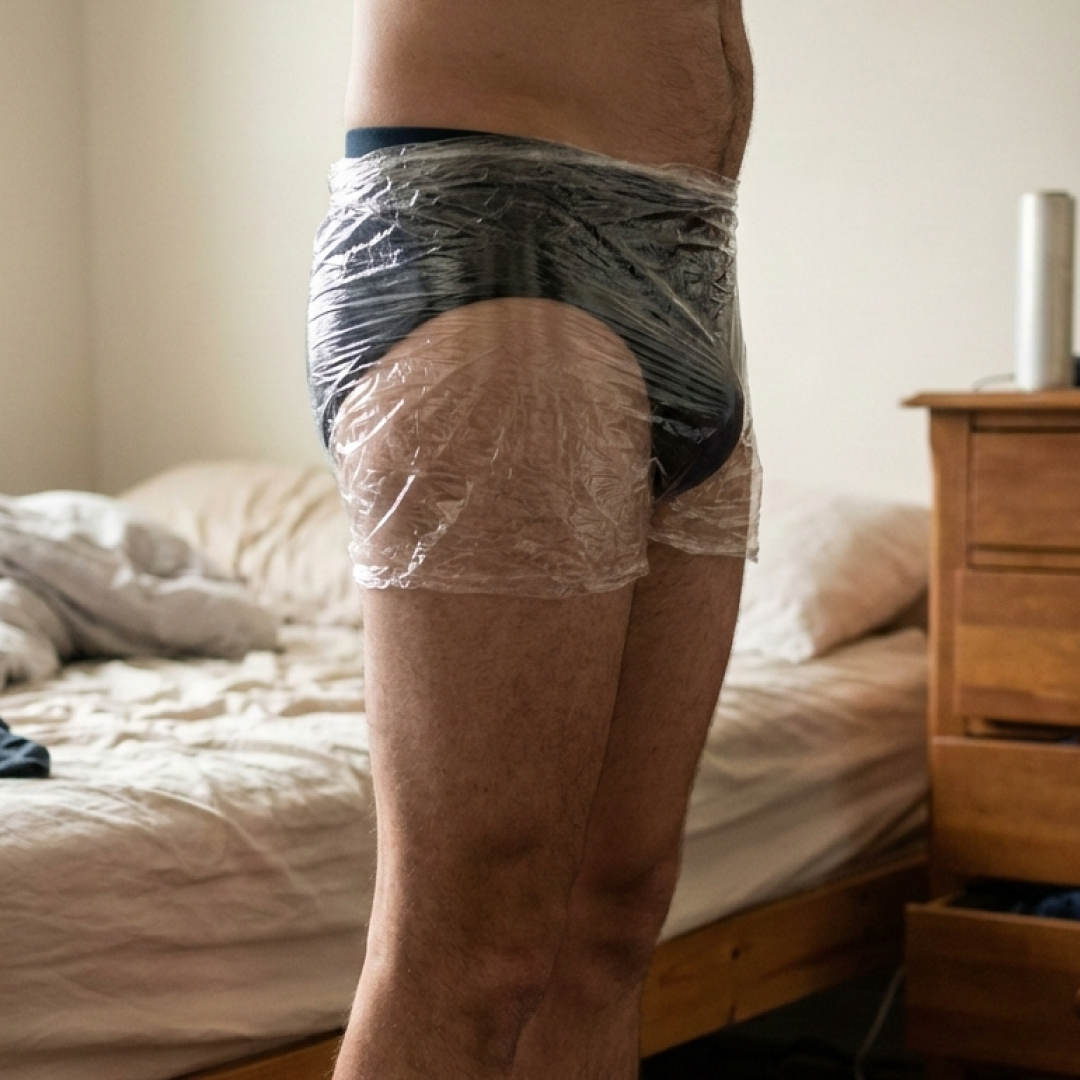
A 2024 study published in Toxicological Sciences found microplastics in all 23 human testicular tissue samples tested, with levels three times higher than in dog samples. In the dog samples, higher concentrations of PVC were correlated with lower sperm count, while both PVC and PET were associated with reduced testis weight. These correlations could not be analyzed in the human cadaver samples. The researchers suspect that the presence of microplastics may be having an effect on the global decline of male fertility, but more research is needed to confirm.
The study also admits that we don’t know how these particles entered the body. It could be ingestion, inhalation, and potentially skin contact. Most microplastics cannot easily break the skin barrier, but there is concern that nanoparticles may be able to penetrate in thinner areas of the body. More research is needed to confirm or deny these suspicions.
The NADS Standard
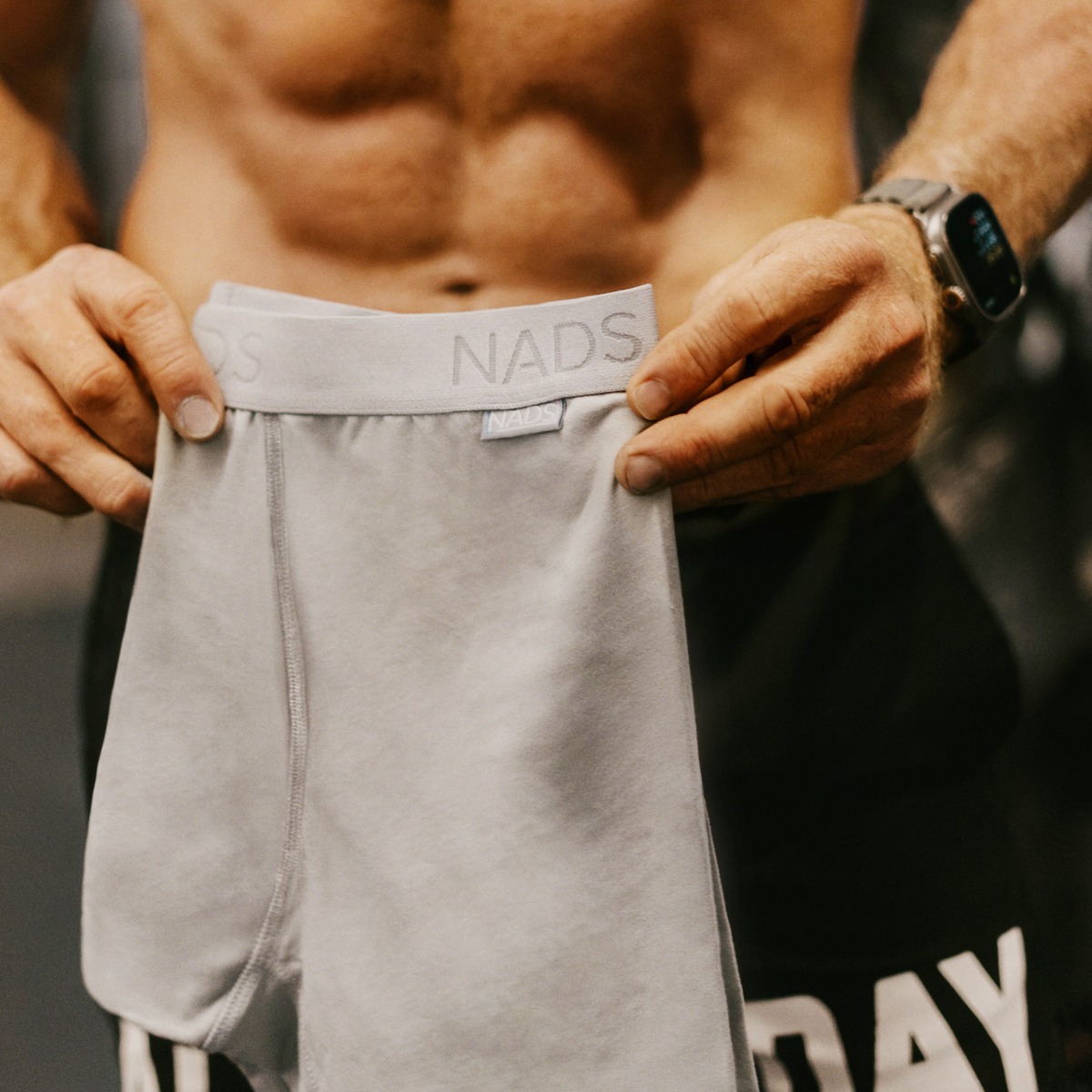
So you’re dealing with formaldehyde in finishes, azo dyes that break down into carcinogens, hormone disruptors in conventional fabrics, and microplastics showing up in tissue samples. That seems like a brutal assault on the jewels. There’s got to be a better way.
NADS applies the grocery store principle to underwear. Just as USDA Organic certification verifies farming practices, textile certifications verify manufacturing standards.
GOTS (Global Organic Textile Standard) certifies
Cotton grown without synthetic pesticides or GMOs
Processing without toxic chemicals
Wastewater treatment standards
Fair labor practices throughout production
OEKO-TEX® Standard 100 tests finished products against 100+ harmful substances, including
Heavy metals and allergens
Formaldehyde and volatile compounds
Pesticides and chlorinated phenols
Phthalates and organotin compounds
Azo dyes
These certifications don’t claim to prevent disease. They just verify that the product meets specific chemical safety thresholds through independent testing protocols. The NADS Organic Cotton Boxer Brief carries both certifications, tested at every production stage.
Farm-to-Fabric Manufacturing
NADS produces their underwear in Turkey, where all manufacturing facilities sit within a 55-mile radius. Spinning, dyeing, cutting, and sewing all happen in the same region, at facilities powered by more than 40% solar energy and equipped with on-site water treatment plants. The concentrated production chain means you can see how your underwear was made with the same transparency you’d expect when tracing your coffee beans or organic olive oil.
Making the Switch
At $34 per pair, the NADS Organic Cotton Boxer Brief costs more than conventional underwear. The difference is you’re reducing exposure to those unwanted toxins. Over 1 million pairs sold and a 94% satisfaction score suggest most guys find it’s worth the investment.
Plus, NADS offers a fit satisfaction guarantee and free shipping on orders over $119. More importantly, they publish their certifications openly. GOTS and OEKO-TEX® aren’t vague claims; they’re verifiable standards with public registries you can look up yourself.
Now that you know what conventional underwear carries with it, you can’t unknow it. You scrutinize food labels to optimize your nutrition; don’t your family jewels deserve the same care?
Start reading the other label.
NADS underwear is designed to reduce chemical exposure but is not a medical treatment. Individual results may vary. Consult a healthcare provider for concerns about testosterone, fertility, or reproductive health.







Leave a Comment
Your email address will not be published. Required fields are marked *