
Every January, millions of people promise themselves they’ll finally get moving. But for those living with plantar fasciitis, arthritis, or other foot conditions, the popular “couch to 5K” approach can feel impossible. Even finding running shoes for Couch to 5K programs becomes complicated when your feet need more support than standard athletic footwear provides. The good news is that you can still build a more active life. You just need a different path to get there.
1. Make Your Shoes Your First Fitness Investment, Not Your Last
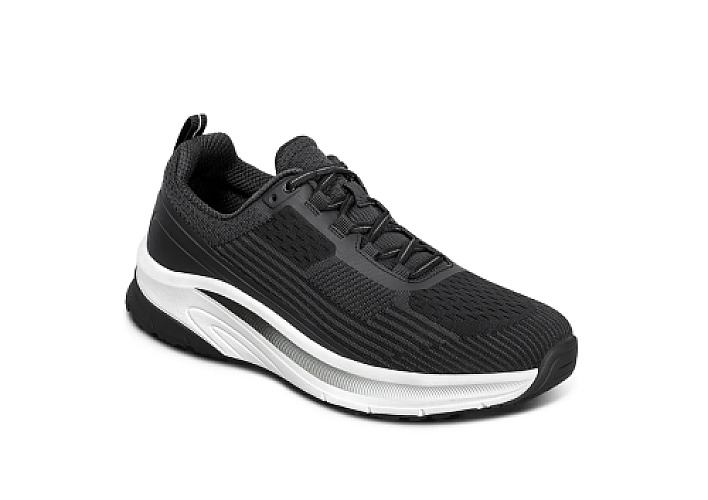
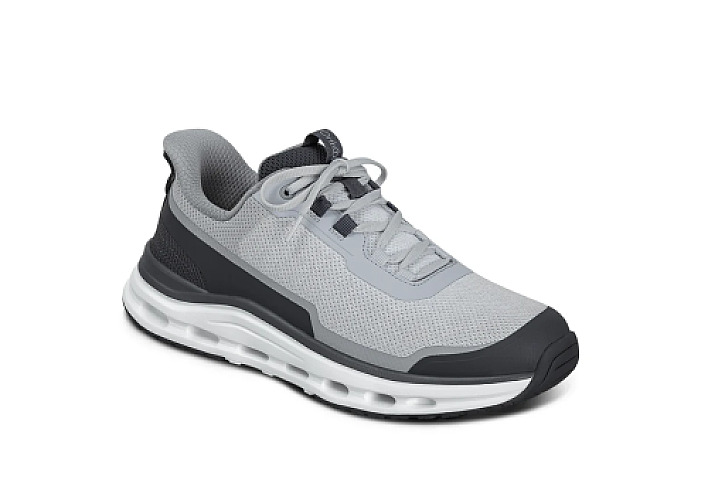
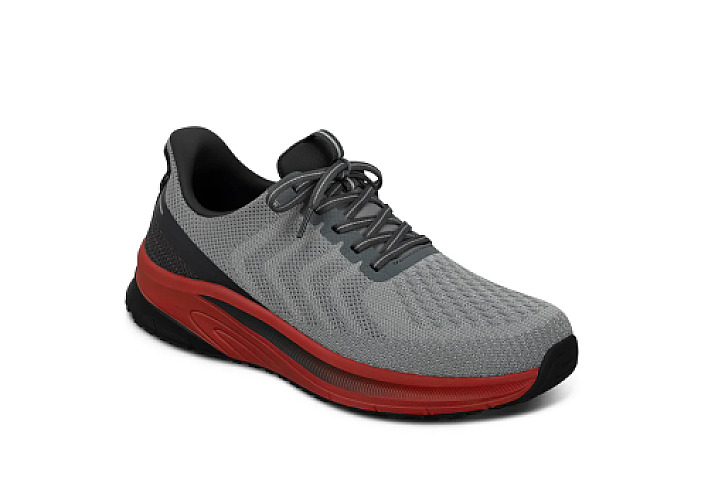
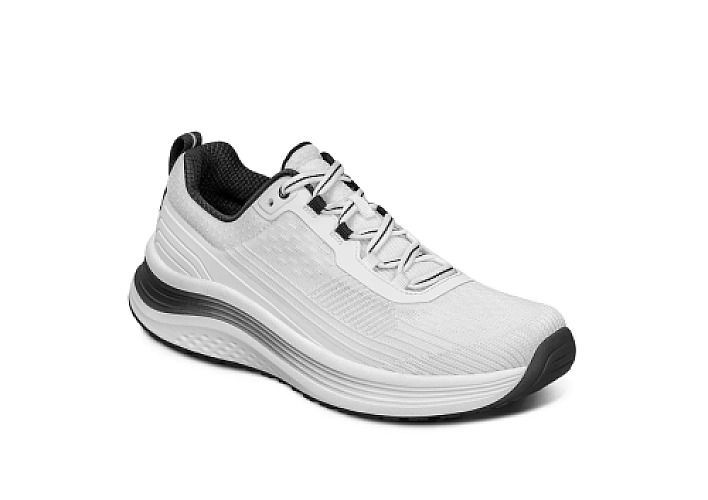
Before you download a fitness app or buy new workout clothes, look down at your feet. According to the American Podiatric Medical Association, the right footwear is an important factor in preventing exercise-related foot injuries. For people already dealing with pain, this matters even more.
Podiatrists consistently emphasize that supportive shoes with proper arch support help distribute pressure more evenly across the foot. Orthofeet designs their walking shoes with anatomical arch support and cushioning systems built right in. When your feet feel more comfortable, you may find it easier to stay active.
Shoes That Meet You Where You Are
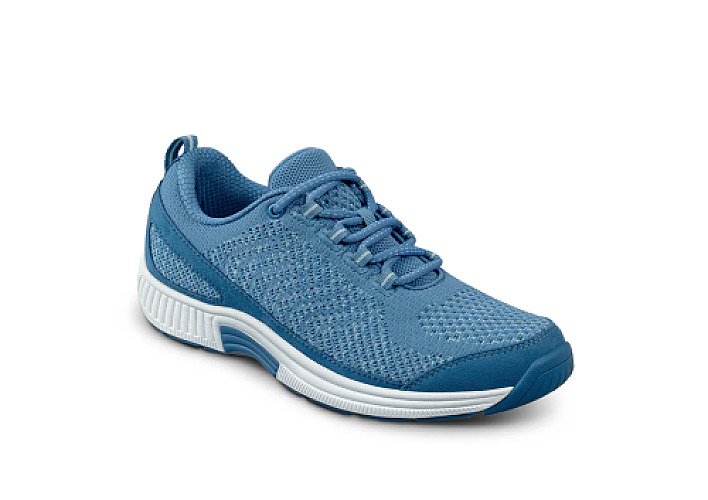
Orthofeet
Coral No-Tie
For women just beginning a walking program, Coral No-Tie offers breathable stretch knit fabric that conforms to your foot shape without creating pressure points. The no-tie lace option makes getting ready for your walk even simpler. Available in multiple widths from narrow to extra-wide, Coral comes in colors including black, gray, turquoise, and white.
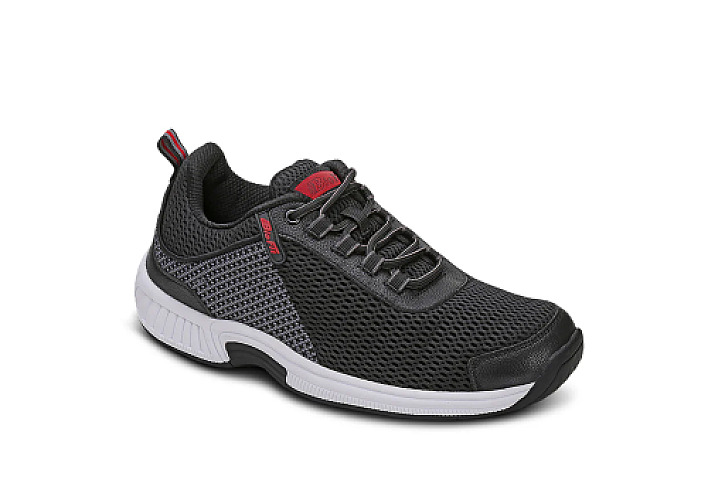
Orthofeet
Edgewater
Men starting their fitness journey might consider Edgewater, a lightweight sneaker with stretch knit uppers that adapt to your foot throughout the day. Edgewater features the Ortho-Cushion System with multiple layers of cushioning and comes in four widths, including an extra-extra-wide option for those who need maximum room.
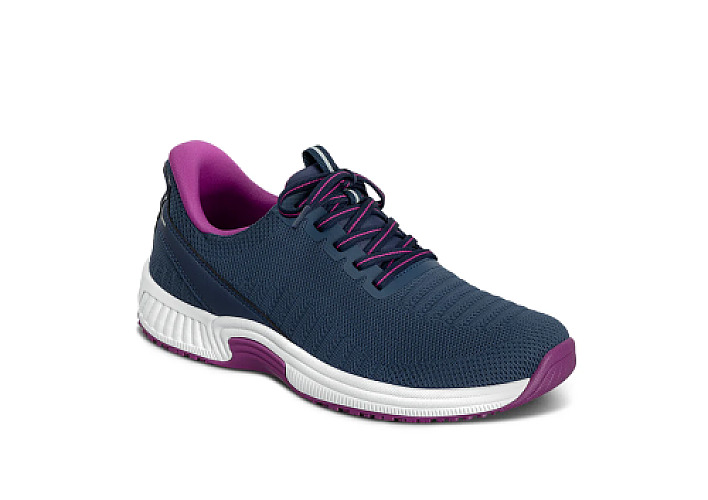
Orthofeet
Kita Hands-Free
For those who struggle with bending down to tie shoes due to back or hip issues, the Kita Hands-Free allows you to step in without using your hands at all. This innovative design removes one more barrier between you and your daily walk.
2. Throw Away the “No Pain, No Gain” Mindset
This outdated saying has probably derailed more fitness journeys than anything else. When you have a foot condition, pain is not a sign that you’re working hard enough. Pain is a warning signal from your body.
The American College of Sports Medicine recommends that people with chronic conditions start conservatively and progress gradually, individualized based on tolerance. If you can only walk for five minutes without discomfort, that’s your starting point. There’s no shame in beginning where your body actually is rather than where you wish it would be.
3. Try the 10% Rule for Building Activity
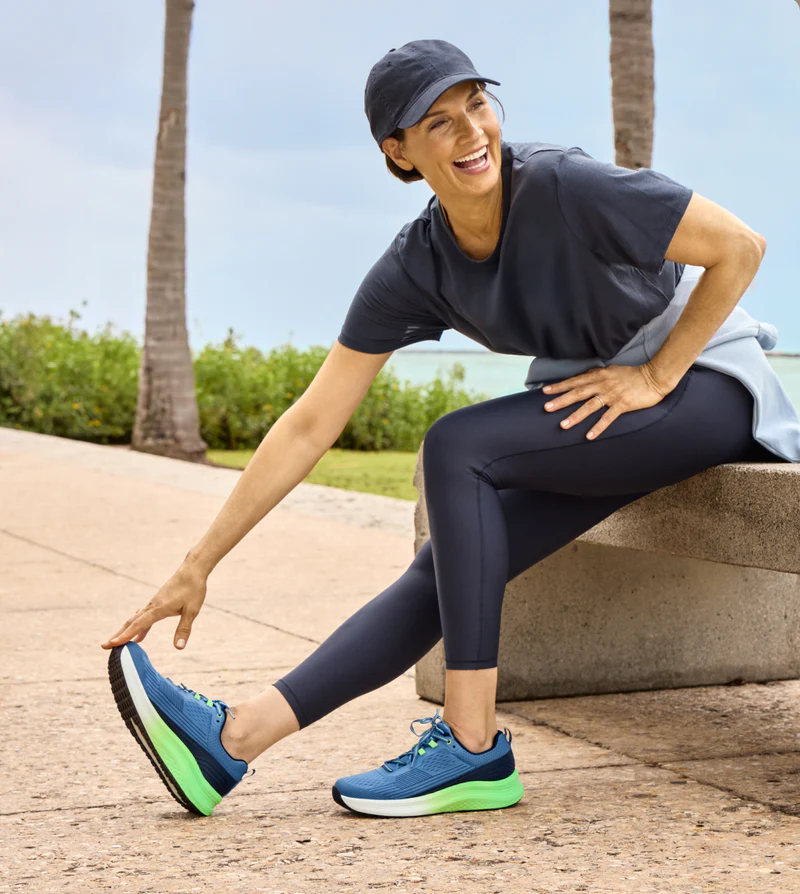
A commonly referenced guideline suggests increasing activity by no more than 10% each week. This might feel frustratingly slow when you’re excited about your new goals, but this approach protects your feet from overuse injuries.
Here’s what that looks like in practice: If you walk for 10 minutes three times this week, aim for 11 minutes next week. Orthofeet’s walking shoes support this gradual approach with their lightweight construction and ergonomic soles designed for all-day comfort. The shoes are designed to move with your foot rather than against it, which helps as you slowly extend your activity time. Every pair includes orthotic insoles with anatomical arch support, plus an optional arch booster for those who need additional lift.
4. Know the Warning Signs That Mean You Should Stop
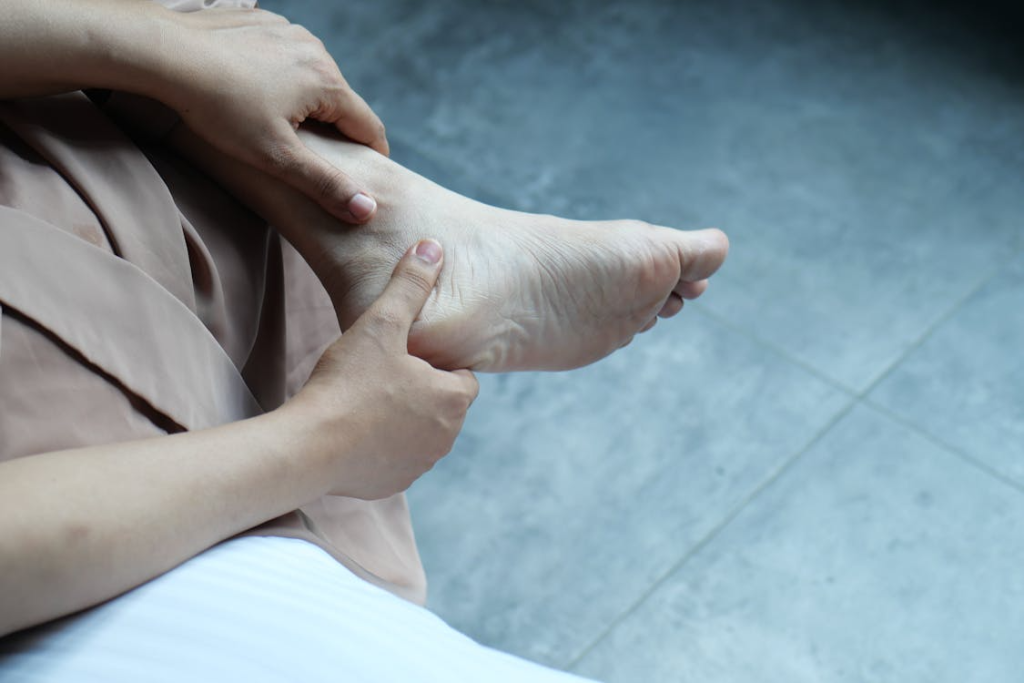
Not all discomfort is the same. Learning to tell the difference between normal muscle tiredness and problematic pain can save you from setbacks that last for weeks or months.
Stop your activity and rest if you notice sharp or stabbing pain in your heel or arch, swelling that appears during or after exercise, pain that makes you change how you walk, or any discomfort that gets worse rather than better as you move. The Arthritis Foundation advises against pushing through pain signals, noting that continuing to exercise when joints are sore “could contribute to joint damage.”
5. Consider Activities Beyond Walking
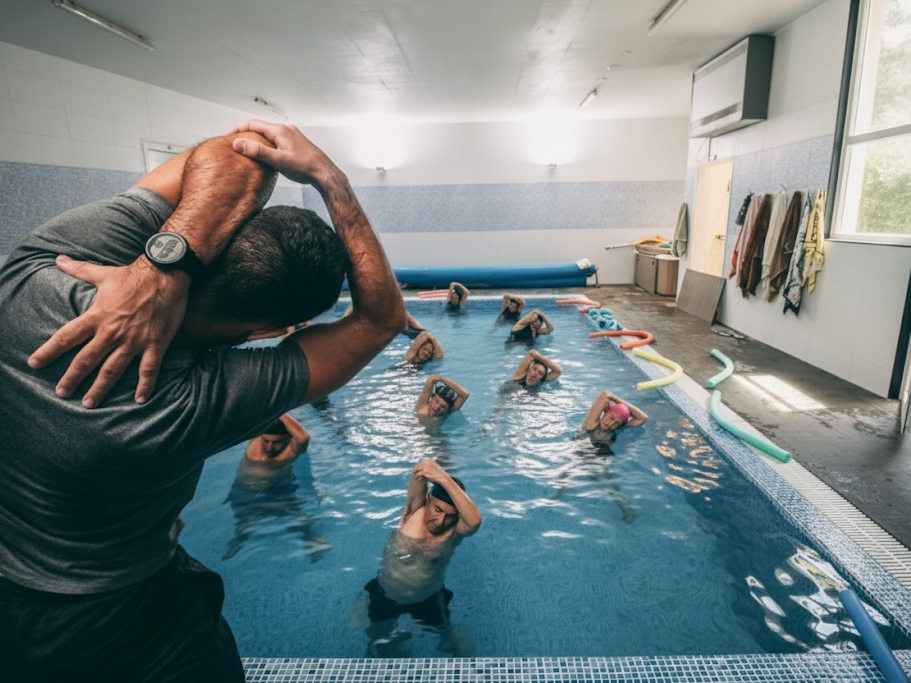
Walking is wonderful, but it’s not the only way to build fitness. Water-based exercises put almost no stress on your feet while still giving your heart and muscles a workout. Chair-based exercises, recumbent cycling, and seated strength training can all help you build the fitness foundation you need.
That said, most people do want to walk more in their daily lives. Whether you’re moving through a grocery store or taking a short stroll around your neighborhood, having the right shoes makes these everyday activities feel possible. Orthofeet offers styles that look appropriate for various settings while still providing the support your feet need.
6. Take a Different Approach to Morning Stiffness
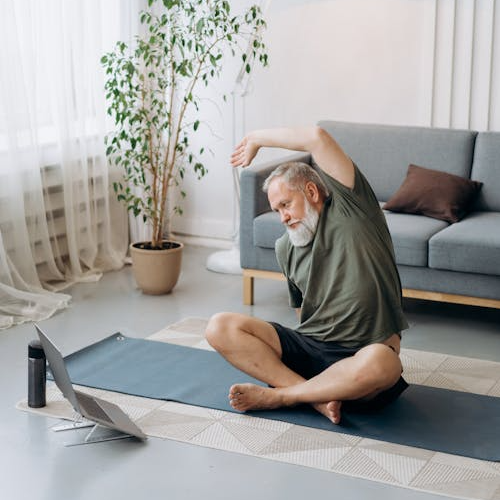
If you have arthritis or plantar fasciitis, your mornings probably start with tight, painful feet. Many people make the mistake of trying to exercise first thing, thinking they’ll “work through” the stiffness. This often backfires.
Instead, give your feet time to warm up before any activity. Gentle stretches while still in bed, followed by moving slowly around your home, can prepare your feet for exercise later in the day. The American College of Rheumatology suggests finding a time that works for you, noting that “if mornings are hard, start with gentle exercises.” You may also want to consider stocking up on some Orthofeet slippers. These can help you reduce the pressure on your feet as you get up and start the day.
7. Measure Success in Consistency, Not Speed
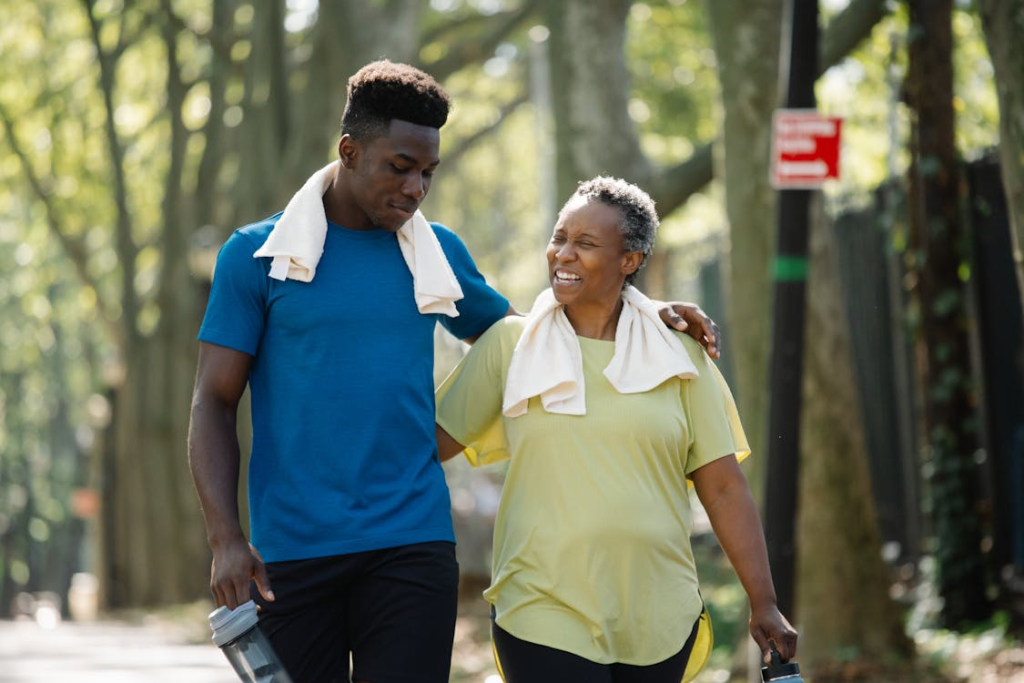
The person who walks slowly for 15 minutes every day for a year has achieved far more than someone who runs hard for two weeks and then quits because of pain. When you have foot conditions, your relationship with fitness needs to be built on sustainability rather than intensity.
Orthofeet walking shoes support this long-term approach with durable construction and features like wide toe boxes that provide extra room and orthotic-friendly designs. These details might seem small, but they add up over months of regular use. The goal is to find shoes you can rely on day after day, not just during a short burst of motivation. Orthofeet offers a 60-day wear test, which means you can try the shoes during actual walks and return them if they don’t work for you.
Making Peace With Your Starting Point
Perhaps you used to run marathons, or maybe you’ve never been athletic at all. Either way, your fitness journey starts exactly where you are today. Foot pain doesn’t mean you can’t improve your health through movement. It simply means you need better tools and a more patient approach.
The right footwear, realistic expectations, and a willingness to progress slowly can transform how you experience physical activity. Your feet have to carry you through every workout, every errand, and every step of your day. They deserve equipment that works with them rather than against them.
This January, instead of making promises you can’t keep, make a plan your body can actually follow. Start small. Listen to your feet. And give yourself the foundation you need to keep moving for years to come.
Orthofeet offers free shipping and free returns, so you can find the right fit without risk. Browse their walking shoe collection and take the first step toward a fitness routine that works with your feet, not against them.






Leave a Comment
Your email address will not be published. Required fields are marked *