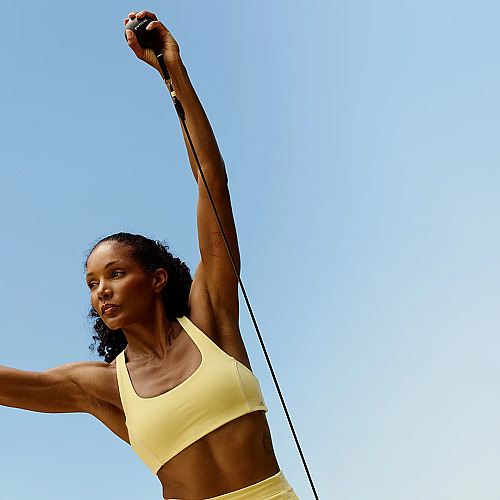
Muscle loss, joint aches, weight gain, and restless sleep can all trace back to the same hormonal shift, but most women experience them years apart and never connect the dots to menopause. As estrogen declines through perimenopause and into postmenopause, your metabolism reroutes how it builds muscle, stores fat, and recovers from training. The research behind that change is recent and specific, which means most fitness plans, including the one you’ve relied on for years, weren’t built for it.
About a year ago, I was managing water retention, swelling, and sleep that fell apart every night around 3 AM. As a nurse, I knew exactly what was driving it, but knowing the mechanism didn’t ease my frustration. I started looking for solutions.
I fell down the rabbit hole on the benefits of strength training and decided, "Why not?" My current workout wasn’t giving me the body I wanted anymore anyway, so I figured I might as well try it. Once I started training three to four times a week, the difference was immediate and real. These days, I’m dealing with less bloating, more energy, steadier rest, and a body that looks better than it has in years.
The Estrogen Dilemma
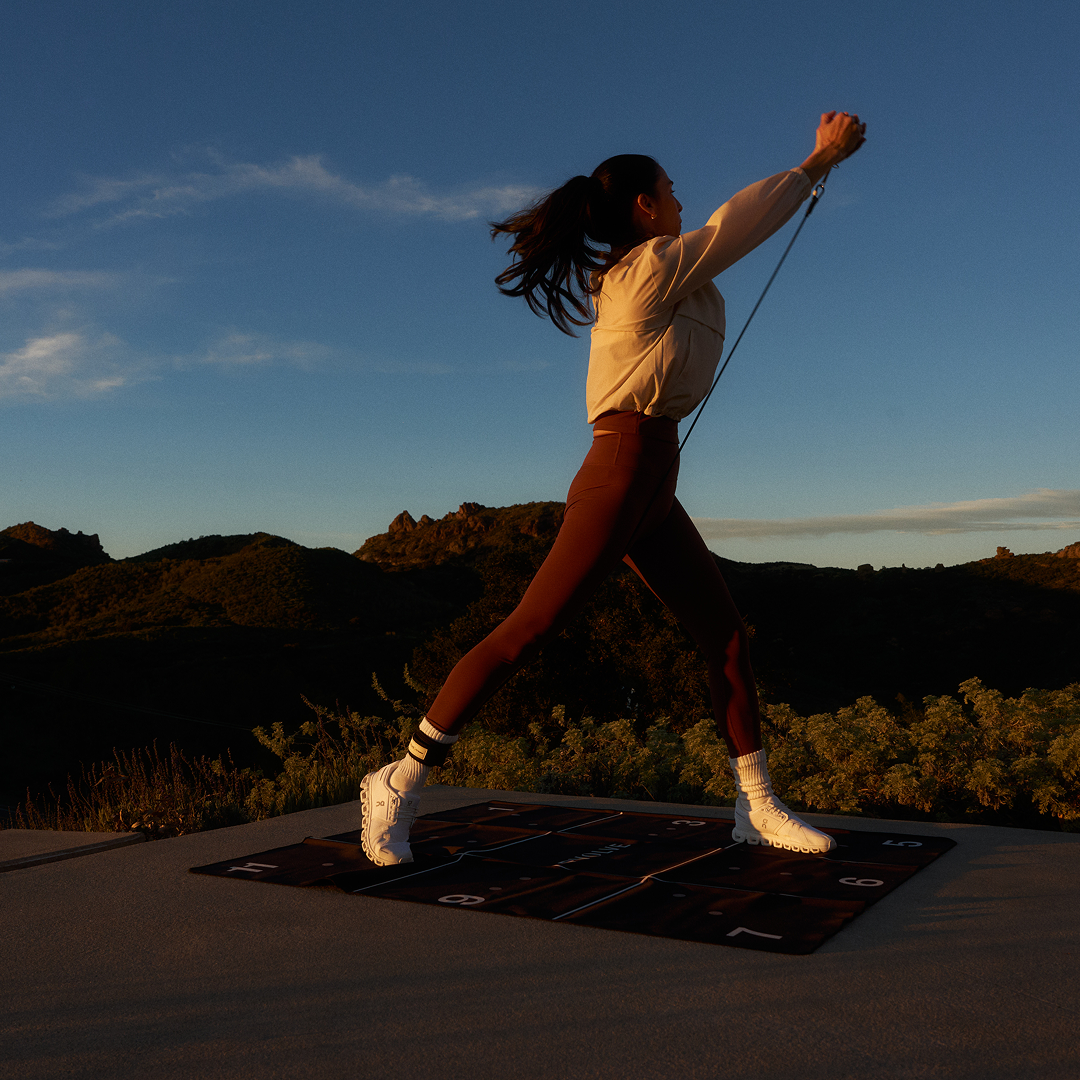
A growing body of evidence links joint pain, muscle loss, and bone density decline under one umbrella. Researchers call it “musculoskeletal syndrome of menopause,” a term defined in a 2024 review in Climacteric. Its authors trace it back to declining estrogen, the shared driver behind
Joint pain, muscle loss, or related complaints in more than 70% of women moving through this transition
Symptoms severe enough to limit daily life for 25% of those women
Loss of bone density and progression of osteoarthritis, symptoms clinicians previously treated as separate issues
If you’re at an age where estrogen decline is affecting you, a fitness routine built before these changes started can’t keep pace with what your body needs now.
How Estrogen Shapes Muscle Response
Estrogen’s role in muscle building is measurable. A randomized controlled trial in Frontiers in Physiology gave early postmenopausal women 12 weeks of supervised resistance work, half paired with transdermal estrogen support and half without it. Both cohorts built muscle, but the estrogen recipients came out ahead:
Muscle cross-sectional area increased 7.9% with estrogen support, compared with 3.9% without it
Whole-body fat-free mass rose further in the estrogen group as well
Strength work still pays off without hormone support. Both sets of participants improved. What the data shows is that hormone status plays a direct role in how efficiently your muscles respond, which explains why a routine that used to produce fast, visible results no longer delivers.
Beyond Muscle Loss
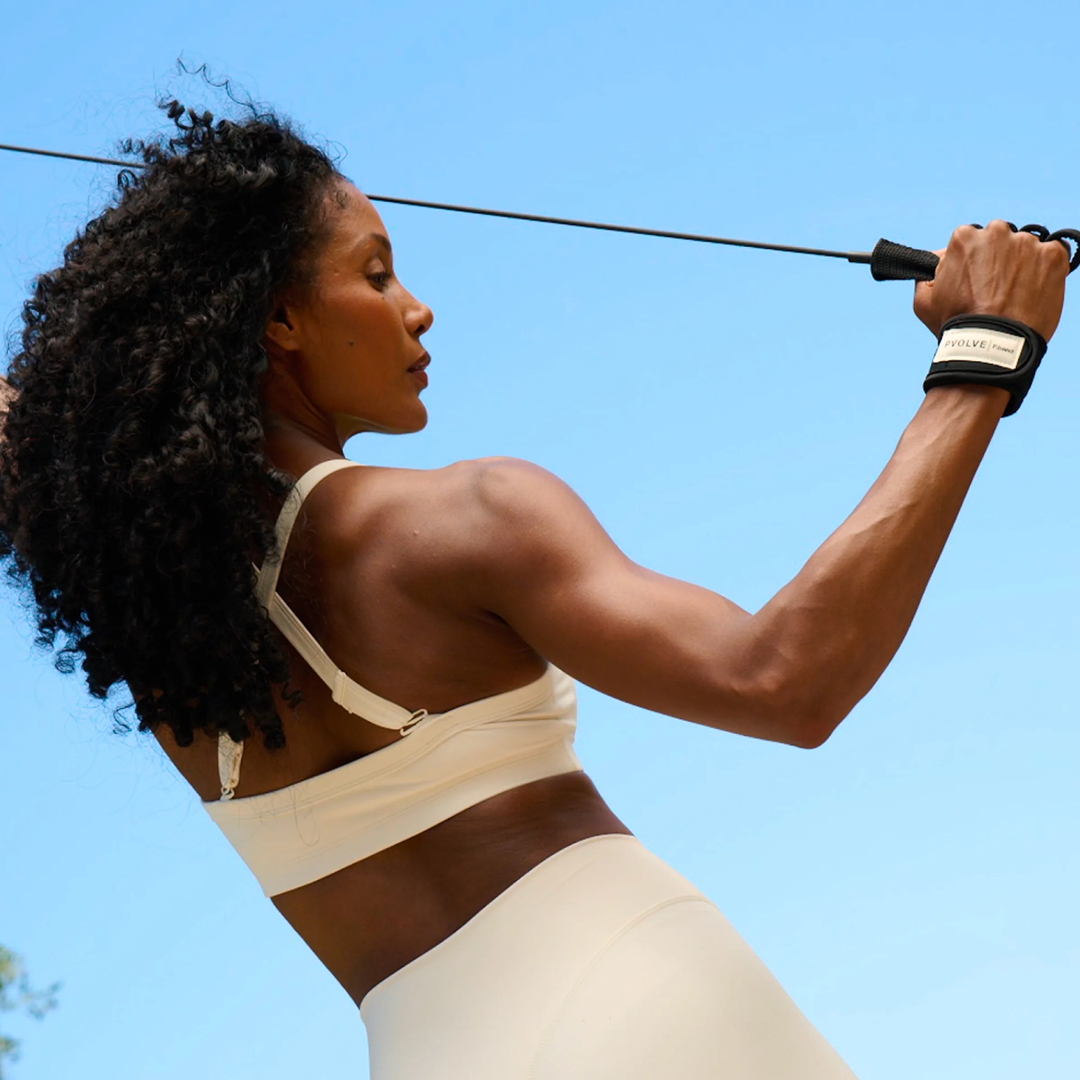
Muscle does more than reshape how you look. “Muscle helps manage blood sugar, maintains bone density, and fuels your energy cells,” says Antonietta Vicario, PVOLVE’s Founding Trainer & Chief Training Officer. “It’s the organ of longevity.”
Muscle matters, but estrogen decline reshapes far more than muscle alone. “Joint instability is also directly tied to declining estrogen,” Vicario says, “which makes controlled, intentional movement even more critical during this transition.”
The broader picture is just as pressing. “The loss of estrogen affects insulin sensitivity, cognitive health, and mood,” she adds, “often resulting in weight gain, brain fog, and anxiety or depression.” Each of these changes responds to specific types of training, and a program built for menopause addresses them together.
The Right Type of Training
So which type of movement actually reshapes body composition after menopause? A 2023 systematic review in Frontiers in Endocrinology pooled data across 101 randomized trials for an answer. The results were clear:
Resistance and combined training drove increases in muscle mass
Aerobic and combined training approaches were more effective for reducing body fat
The research shows that resistance training is a key part of any perimenopausal or menopausal health plan for building and maintaining a strong musculoskeletal system.
A Method That Matches
Weight lifting is working for me right now, but I know it’s not enough for where I’m headed. As I age, I need something that leans more into mobility and flexibility, not just strength. I’m also looking for something I can do alongside my mother, who is 65, postmenopausal, and managing a significant knee injury. That combination of needs is what led me to PVOLVE.
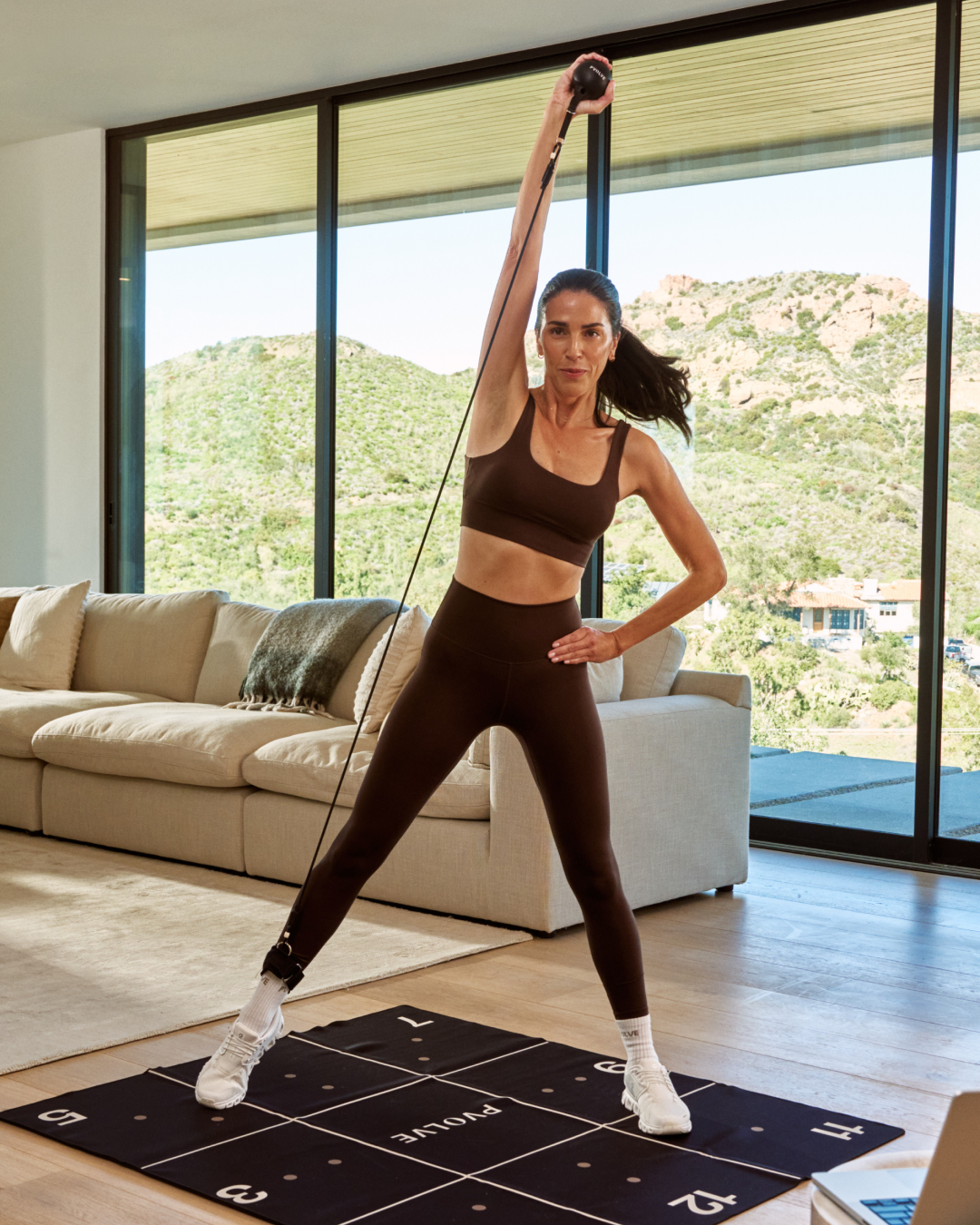
PVOLVE’s approach lines up with the science. The method pairs progressive weight training with patented resistance tools like the P.ball® and P.band®, keeping your body under continuous resistance through a full range of motion. That combination builds strength while also training the mobility and stability most traditional programs skip.
PVOLVE calls this movement longevity, training built to keep your body capable for decades. In a 12-week study in Medicine & Science in Sports & Exercise, participants following the PVOLVE method saw
19% increase in hip function and lower-body strength
21% improvement in flexibility
10% increase in dynamic balance, mobility, and stability
The Menopause Strong Approach
PVOLVE’s Menopause Strong plan is built on four training pillars. “We build the program around weight training, sprint interval training, mobility and stability work, and recovery,” Vicario explains. “Each one targets a specific change that happens during menopause.” Together, these pillars support five areas of the body most affected by the menopause transition:
Muscle mass: “Women lose up to 3 to 7% of muscle per decade after 30, and this rate accelerates during menopause,” Vicario says. Preserving that muscle supports metabolism, energy, insulin sensitivity, and daily function.
Bone health: Weight training, weight-bearing exercise, and plyometric drills help maintain bone density.
Cognitive health: “Because we have estrogen receptors in our brains, menopause leads to structural and metabolic changes,” Vicario explains. “Through sprint interval training, we increase blood flow into the brain, which improves cognitive performance, reduces the likelihood of decline later in life, and improves mood.”
Joint health and mobility: Maintaining mobility and stability allows freedom of movement, reduces pain, improves posture, and decreases fall risk.
Recovery: “Recovery supports the parasympathetic nervous system, allowing for rest, digestion, and growth processes like strong hair, nails, and skin, often impacted during menopause,” Vicario says. It also helps avoid excess cortisol spikes, which contribute to fatigue and weight gain during hormonal change.
Across all four pillars, PVOLVE emphasizes stability and precision. This supports joint health and improves neuromuscular connection, both of which become increasingly important as coordination and balance naturally decline.
Vicario adds, “Most important, our members use movement as a catalyst to reframe this chapter. They prove every day that aging isn’t about fading away, and menopause isn’t something to silently endure. By building muscle and strength, they reclaim their confidence and step into this season of life feeling vibrant, capable, and powerful.”
What You Get
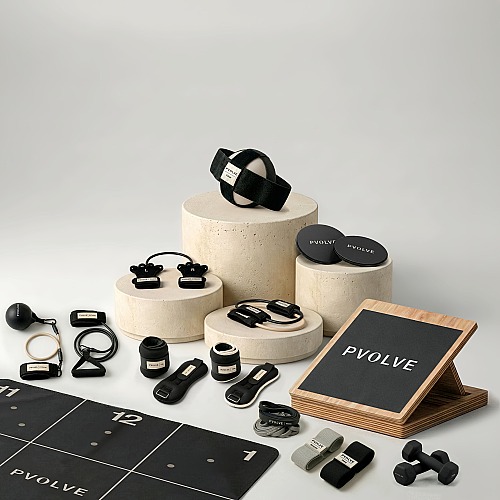
The Total Transformation Bundle is a home-training system built for the kind of consistent, low-impact work the research points to. It’s designed to evolve as your training does. It includes
13 pieces of resistance, sculpting, and recovery equipment
Three months of on-demand and live streaming access
A complimentary 1:1 trainer consult to build your personalized program
At $620, the bundle includes free US shipping and a 30-day money-back guarantee. Ready to see what a routine built for this stage of life could do for you?
All details were verified at the time of publication and are subject to change without notice. This article is for informational purposes only and does not constitute medical advice. Consult your doctor before beginning a new exercise or hormone therapy regimen, particularly during perimenopause or postmenopause.







Leave a Comment
Your email address will not be published. Required fields are marked *